
Leg heaviness, swelling, or aching may point to vein disease when it starts affecting how long you stand, walk, work, or travel comfortably.
What Causes Varicose Veins
Healthy leg veins move blood upward toward the heart. When valves weaken, blood can settle in the vein and create symptoms you may see or feel.
Common Symptoms & Warning Signs
Varicose veins can change how your legs look and feel. Bulging veins, aching, swelling, and discomfort often come from the same underlying vein concerns.
Common Concerns:
-
Bulging Veins
-
Blue Veins
-
Heavy Legs
-
Aching
-
Swelling
-
Itching
-
Burning
-
Night Cramps
-
Skin Changes
-
Leg Sores
How Your Care Team Finds Answers
Talking Through Your Symptoms
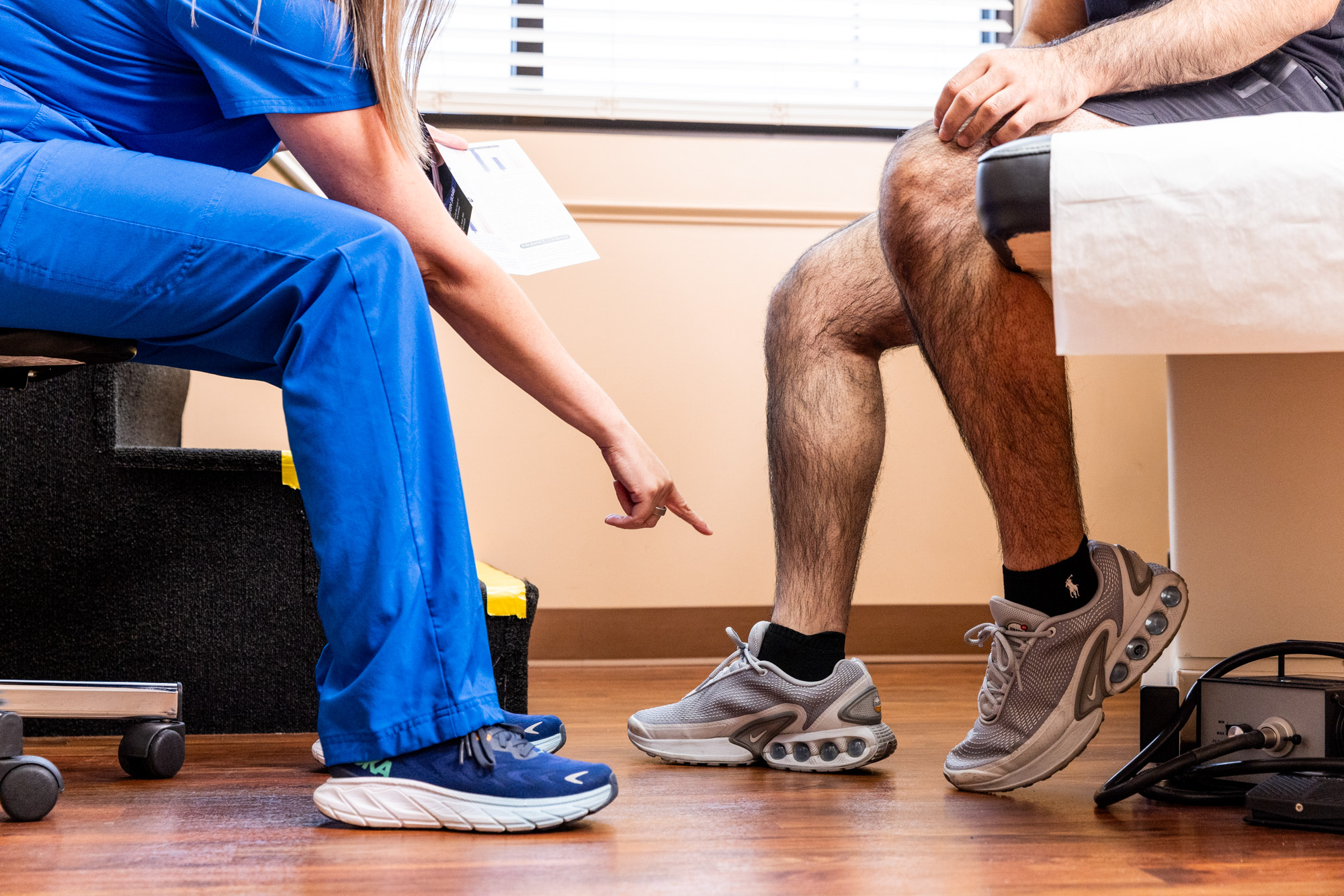
We ask when your symptoms show up, what makes them worse, and how your legs feel after sitting or standing.
Scanning Below the Surface
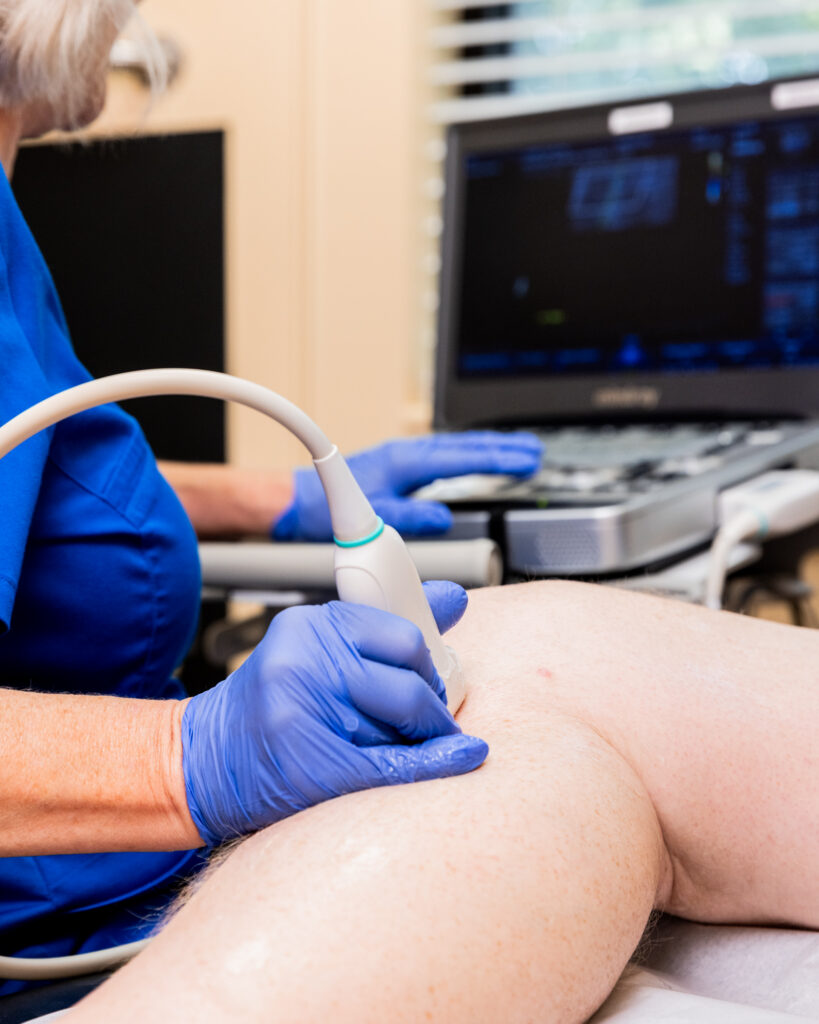
Ultrasound imaging helps us see how your veins function beneath the skin, not just what appears on the surface.
Explaining What Comes Next
Once we understand the source of your symptoms, we explain whether treatment makes sense and which option best suits you.
Procedures May Include
We May Recommend Treatment If
Darkening skin near the ankle or a sore that heals slowly can signal higher vein discomfort. We may recommend treatment after imaging confirms the source.
If your legs feel heavy at the same point each day, that pattern matters. We scan below the surface to find out why.

Relief Starts at the Source
When we close the vein causing pressure, blood moves through healthier veins. That may ease heaviness after long shifts, travel, or time on your feet.
Varicose veins often run in families. We help you track meaningful changes over time, especially swelling, ankle discoloration, or sores that heal slowly.
Before
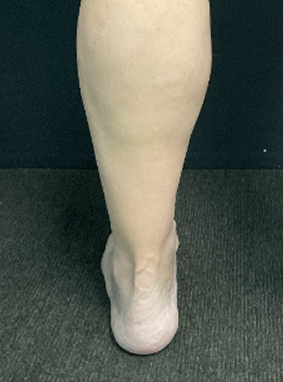
After
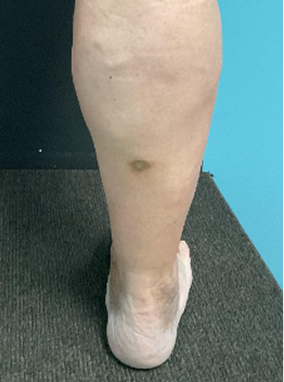
Before
After
Sensitive Images
Start With a Free Quick Scan
Our ultrasound team performs a 15-minute screening to check for reflux in your veins. If your screening is positive, we’ll recommend a new patient appointment for a full ultrasound and provider evaluation.

About Us
A Clinic That Answers to You
As a privately owned, specialist-only practice, we’ve been treating vein disease in Kansas City since 2005. Every patient knows their out-of-pocket cost before their appointment day. And when a procedure isn’t necessary, we’ll tell you that, too.
Frequently Asked Questions
Varicose veins can start as a visible concern, but they often point to a medical vein issue beneath the skin. When tiny one-way valves inside the leg veins weaken, blood can pool and create pressure. That pressure may lead to heaviness, aching, swelling, skin changes, or non-healing sores within the lower extremities.
At our Kansas City-area vein clinic, we use ultrasound imaging to see whether visible varicose vein symptoms connect to a deeper circulation problem. That helps us recommend care based on what your legs need, not how your veins look.
Varicose veins can progress when vein pressure continues building. Early signs may include raised or twisted veins. Later signs can include ankle swelling, darker skin, or a sore that heals slowly.
That does not mean every visible vein becomes severe. But if your symptoms keep returning, your legs may be trying to tell you something useful. We’ll use an ultrasound scan to look beneath the surface and explain what we see.
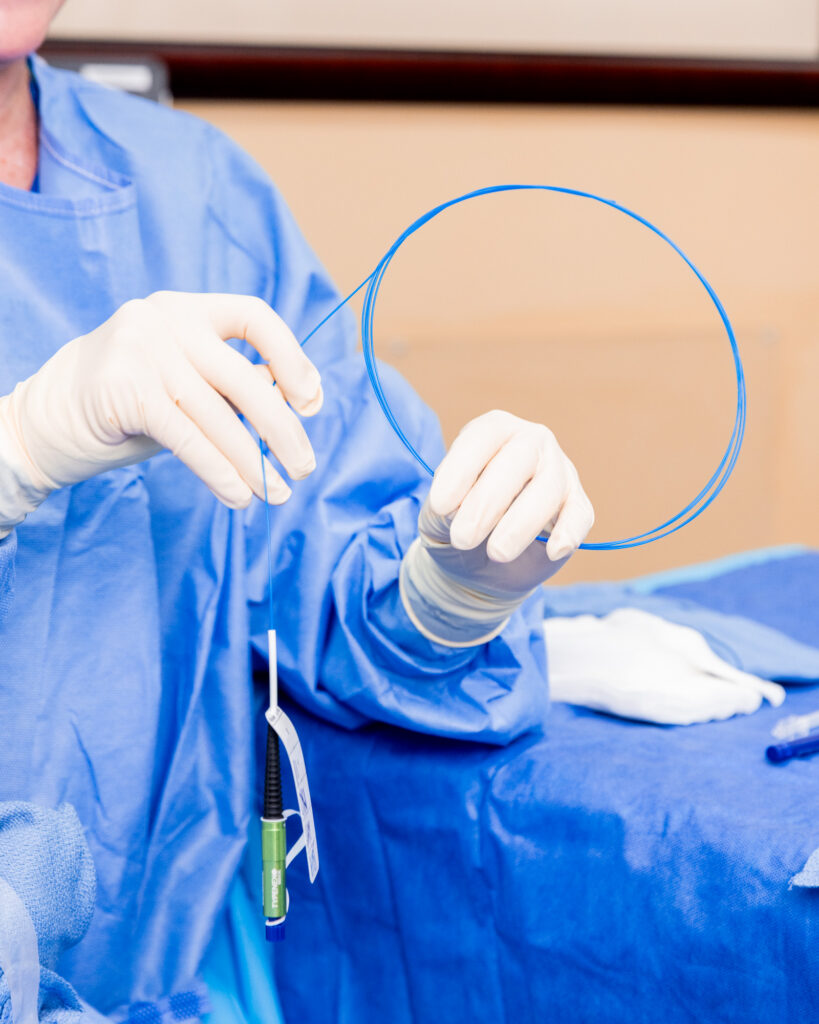
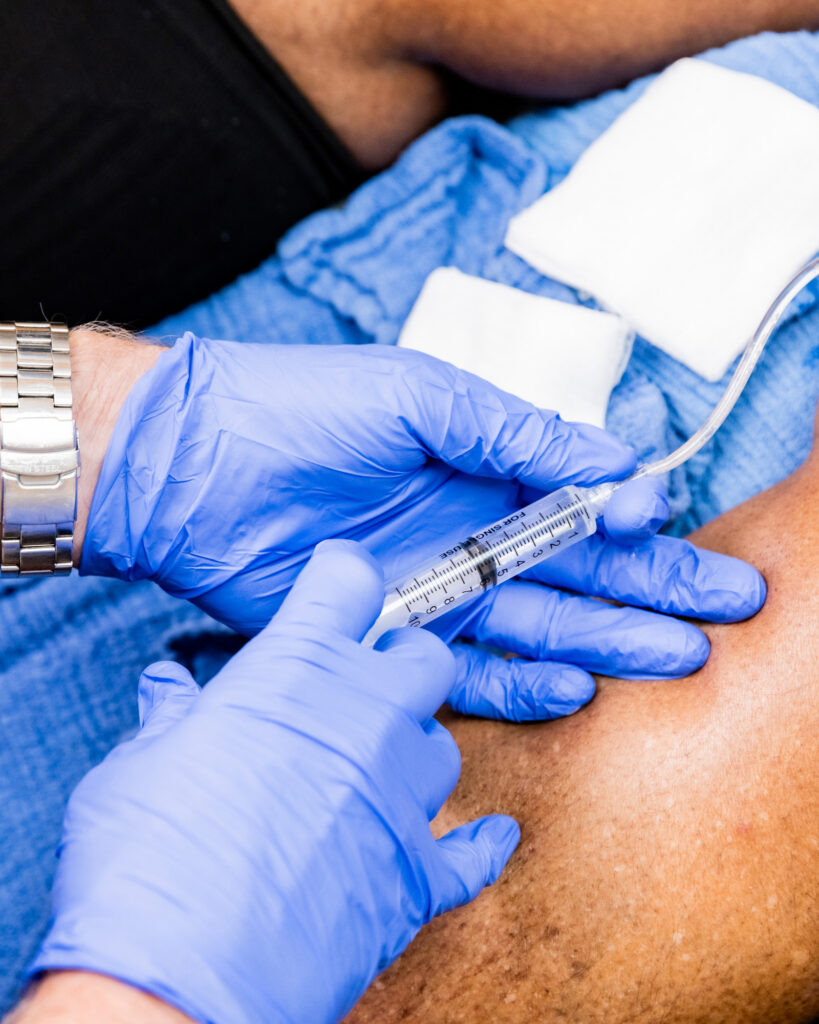
The best treatment for varicose veins depends on which vein causes the symptoms. Some patients need Endovenous Laser Ablation (EVLA) for a larger vein source. Others may need Endovenous Chemical Ablation (EVCA) or ultrasound-guided sclerotherapy.
We do not choose treatment based on appearance alone. We use imaging, symptoms, and exam findings to decide what fits. If you’re looking for answers about varicose vein symptoms in Kansas City, Summit Vein Care providers start with imaging to get a full understanding of your concern.
You cannot prevent every varicose vein. Family history plays a major role, and long days of sitting or standing can make symptoms more noticeable. Age, pregnancy, and past leg injuries can also affect vein health.
Light movement, leg elevation, and compression garments may help support your legs. If those steps stop helping, a scan can show whether vein disease is the concern.
Symptoms that come and go can still matter. Many people notice heaviness, aching, or swelling after work, travel, or long periods on their feet. Then the symptoms ease, so they wait.
If you’re experiencing a pattern like that, it’s helpful context for your provider. If your legs feel heavy at the same point each day, we want to know. If you’re experiencing varicose vein symptoms, Kansas City patients typically notice their legs feeling heavy around the same point each day. Your provider uses that timing, along with ultrasound imaging, to understand what may be happening beneath the surface.
Varicose veins and vein disease can show up as restless legs, night cramps, burning, itching, or heaviness that builds later in the day.
Those symptoms can have more than one cause, so we look before we assume. For patients with varicose veins symptoms in Kansas City, Summit Vein Care uses ultrasound imaging to see whether vein disease may play a role in nighttime discomfort.
You should get checked when symptoms affect your routine, keep returning, or show up with skin changes in the lower extremities of the body.
You do not need to know whether you need treatment before you call. Patients searching for varicose veins symptoms in Kansas City usually need the same first step: a clear look beneath the surface and an honest explanation of what comes next.
The Easiest First Step Is Free
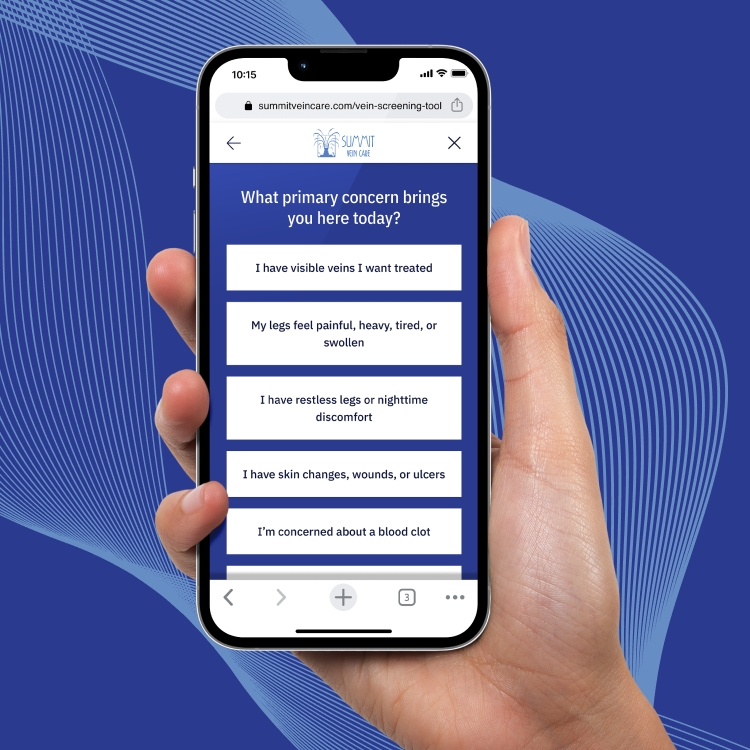
Not sure if your symptoms are vein-related? Start with our screening tool. When you’re ready to come in, schedule your free quick scan.