

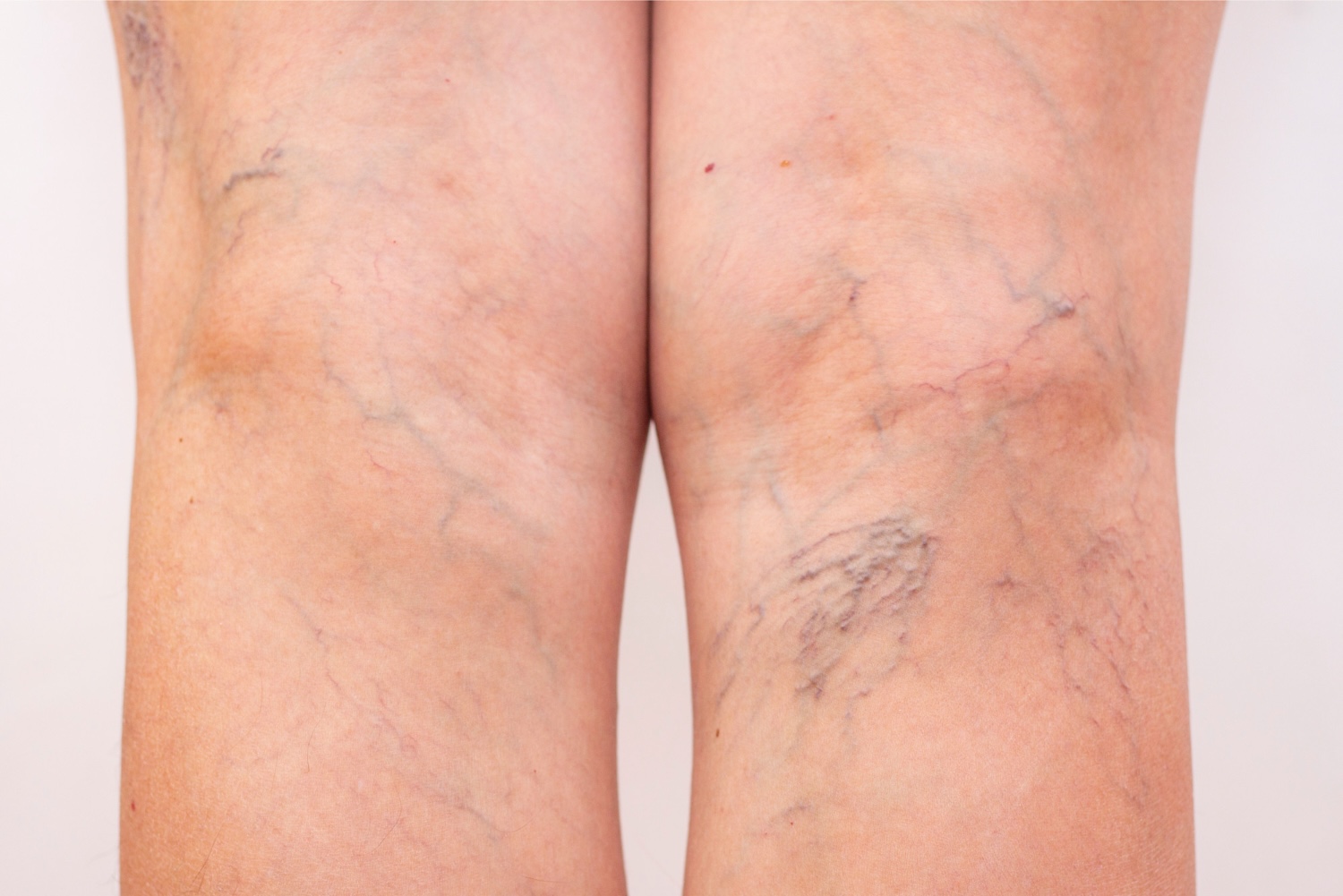
New or spreading blue and purple veins deserve a closer look, especially if they seem different from your usual vein pattern. A quick scan helps us see whether a medical vein concern may be involved.

What Causes Blue & Purple Veins
Reticular veins can show when small leg veins become damaged, enlarged, or connected to poor valve function. Aging, family history, hormones, and long periods of sitting or standing may all contribute.
Common Symptoms & Warning Signs
Blue or purple veins may be visible, but if they’re causing recurring discomfort, they can signal a vein health concern needing a professional assessment.
What We Treat:
-
Blue Veins
-
Purple Veins
-
Visible Veins
-
Leg Aching
-
Heaviness
-
Swelling
-
Itching
-
Burning
-
Skin Changes
-
Leg Fatigue
How We Diagnose Vein Conditions
Free Quick Scan
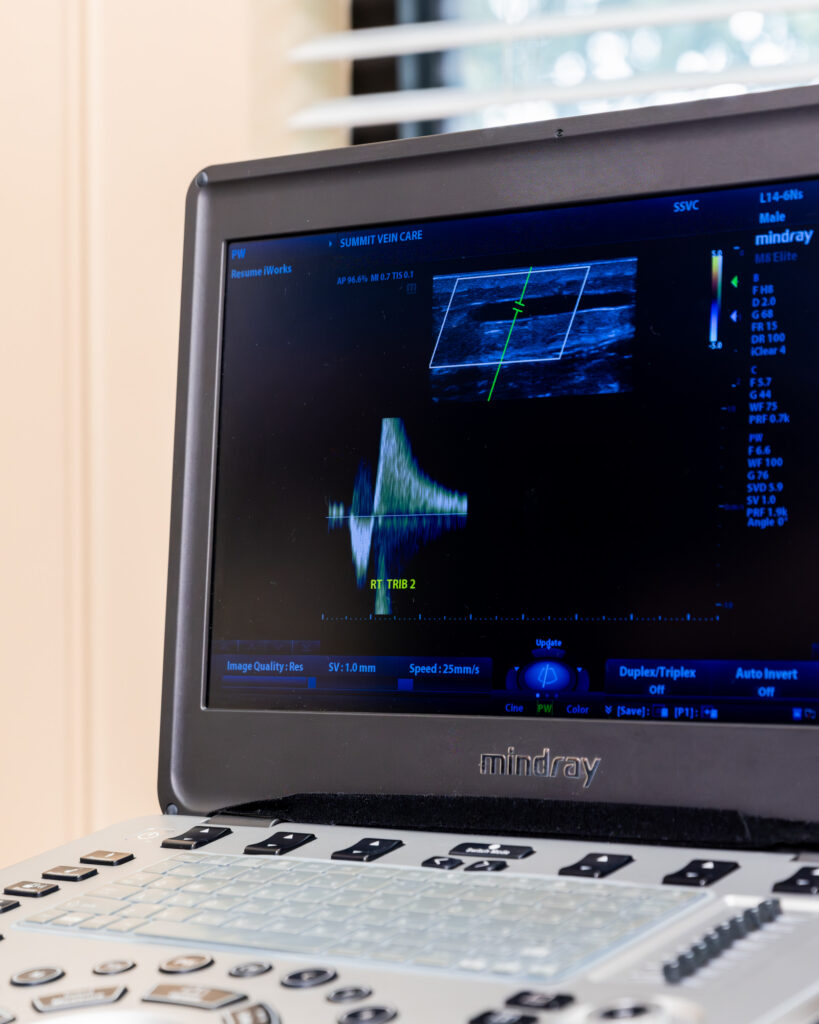
At Summit Vein Care, we normally start with a free 15-minute ultrasound scan. An ultrasound tech checks for reflux. At this point, there is no provider visit or billing of insurance.
New Patient Appointment
If the scan is positive for vein health concerns or you have a referral already, we schedule a new patient appointment for a more comprehensive ultrasound, provider review, and care discussion.
Detailed Ultrasound Study
Your ultrasound tech maps your leg veins and checks how blood moves, giving your provider the details needed to recommend next steps.
Provider Review
Your provider reviews the findings with you, connects them to your symptoms, and explains whether medical vein treatment makes sense.
Plan Your Next Step
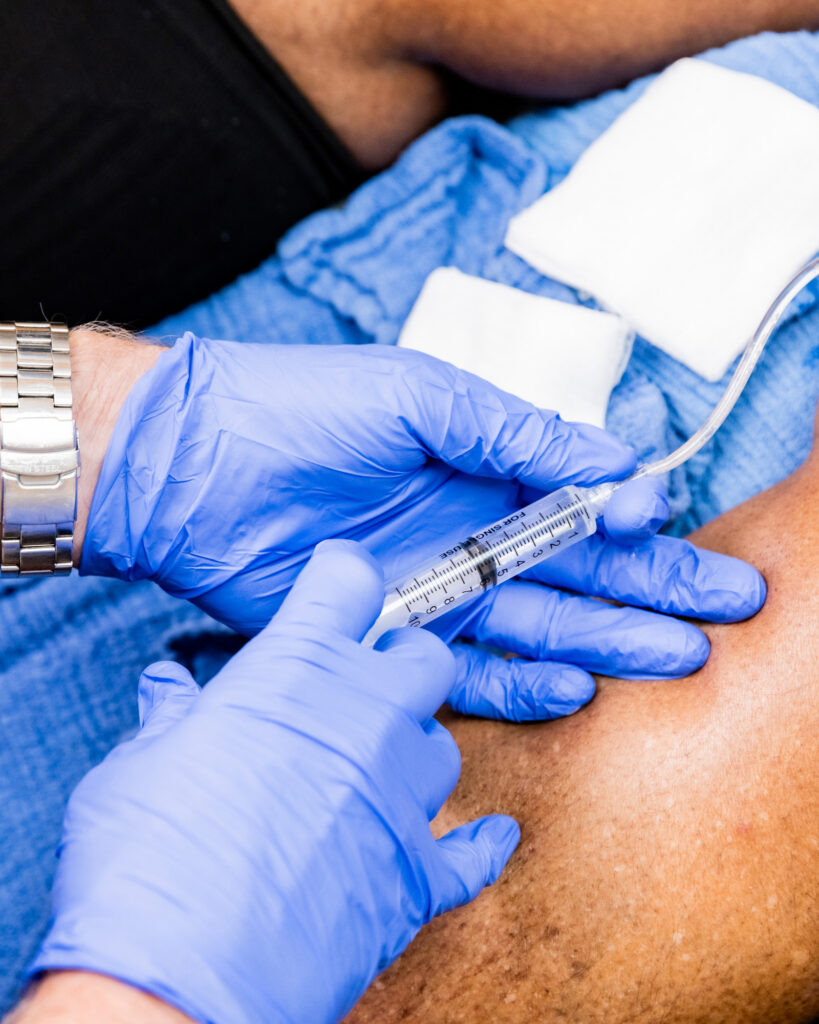
When care makes sense, we tailor the treatment to your imaging, often treating larger source veins before smaller veins.
Treatment Options Include

You May Need to Seek Treatment If
If leg discomfort affects standing, walking, sleeping, or getting through work, an evaluation can connect those symptoms to vein function instead of leaving you to guess.
Warmth, tenderness, or redness around a vein needs attention, especially when the change feels new. We can check the concern and guide you toward the right next step.
Not every colored vein needs medical treatment. If you are not sure whether to call a vein clinic or a cosmetic provider, Summit Vein Care can help sort that out.

Long-Term Vein Health Planning
Vein care can take more than one visit, especially when visible veins connect to larger vein issues. Your care team explains the likely timeline, follow-ups, and next steps before treatment begins.
Medical Care First
Summit Vein Care focuses on the medical side of visible vein concerns first. After treatment, Roots of Nature can help with cosmetic care when that fits your next step.
Start With a Free Quick Scan
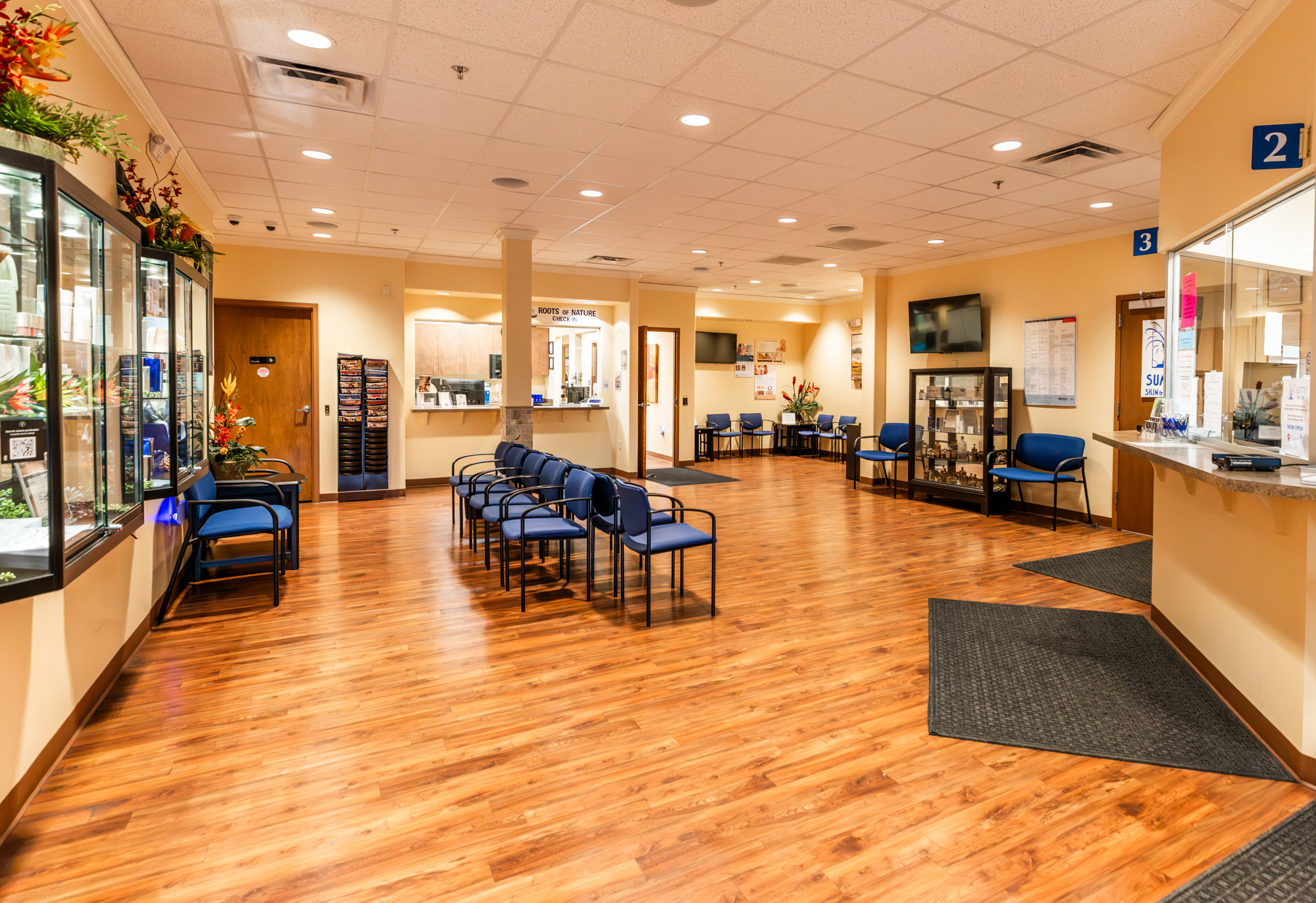
Our ultrasound team performs a 15-minute screening to check for reflux in your veins. If your screening is positive, we’ll recommend a new patient appointment for a full ultrasound and provider evaluation.

About Us
A Clinic That Answers to You
As a privately owned, specialist-only practice, we’ve been treating vein disease in Kansas City since 2005. Every patient knows their out-of-pocket cost before their appointment day. And when a procedure isn’t necessary, we’ll tell you that, too.
Frequently Asked Questions
Reticular veins run just beneath the skin and often supply the finer, web-like threads. Spider veins appear closer to the surface. You may notice both at the same time because they frequently develop together.
The medical question isn’t based just on which type you can see—it’s what’s causing them. Vein valve problems in deeper leg veins can push blood into smaller, more visible veins, producing both types at once. At Summit Vein Care, your provider looks for that underlying cause. For reticular veins, Kansas City patients who want cosmetic spider vein treatment after medical care is complete can continue that step with Roots of Nature Aesthetic & Wellness, our sister practice.
They can, which is why we provide the free quick scan to tell us whether yours do. Some reticular veins develop with no underlying structural cause and stay limited to the surface. Others form because valve problems in larger leg veins disrupt blood flow, creating pressure that surfaces in smaller, more visible veins over time.
Our ultrasound technician examines the superficial vein system during the quick scan and checks specifically for venous reflux—blood moving in the wrong direction through a vein because a valve isn’t closing properly. For reticular veins, Kansas City patients complete this scan in about 15 minutes, with no insurance billing and no provider visit involved. You leave knowing whether the veins you see connect to an underlying cause that warrants further evaluation.
Coverage depends on what imaging reveals. When a scan identifies venous reflux or valve dysfunction contributing to your symptoms, treatment often qualifies as medically necessary.
Because of this, most major insurance plans, including Medicare, cover medically necessary vein care. If the finding is purely cosmetic with no underlying vein disease, coverage typically doesn’t apply. For reticular veins, Kansas City patients without insurance coverage aren’t automatically without options. Ask our team about payment arrangements when you call to schedule.
Not every case requires treatment, but when reticular veins are connected to underlying valve problems, symptoms often progress without treatment. Heaviness, aching, fatigue, and skin changes tend to develop gradually over time, and the veins themselves may spread or become more pronounced.
For reticular veins, Kansas City patients who aren’t sure whether to act have a practical starting point: the free quick scan takes about 15 minutes, we don’t bill your insurance, and you leave knowing whether what you’re seeing is stable or tied to a condition worth treating.
The body gradually absorbs the closed vein over time—typically several weeks to a few months—and the blue or purple discoloration fades as that vein stops carrying blood. For reticular veins, Kansas City patients should expect the visual change to develop in stages, particularly when a larger source vein needs treatment before moving to smaller ones.
The Easiest First Step Is Free
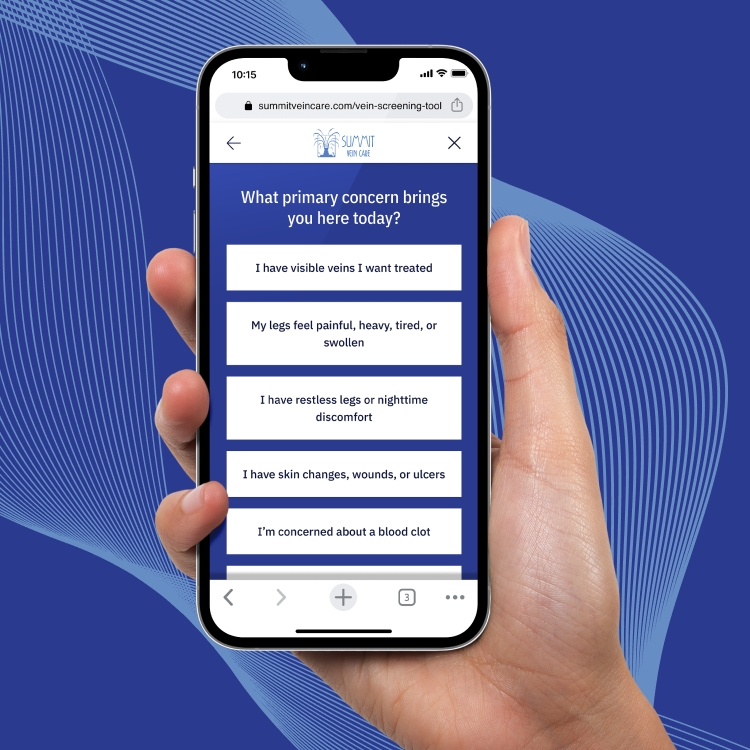
Not sure if your symptoms are vein-related? Start with our screening tool. When you’re ready to come in, schedule your free quick scan.