
A lower-leg sore that lingers may point to poor vein function. Summit Vein Care can check whether the vein system is affecting how the skin heals.
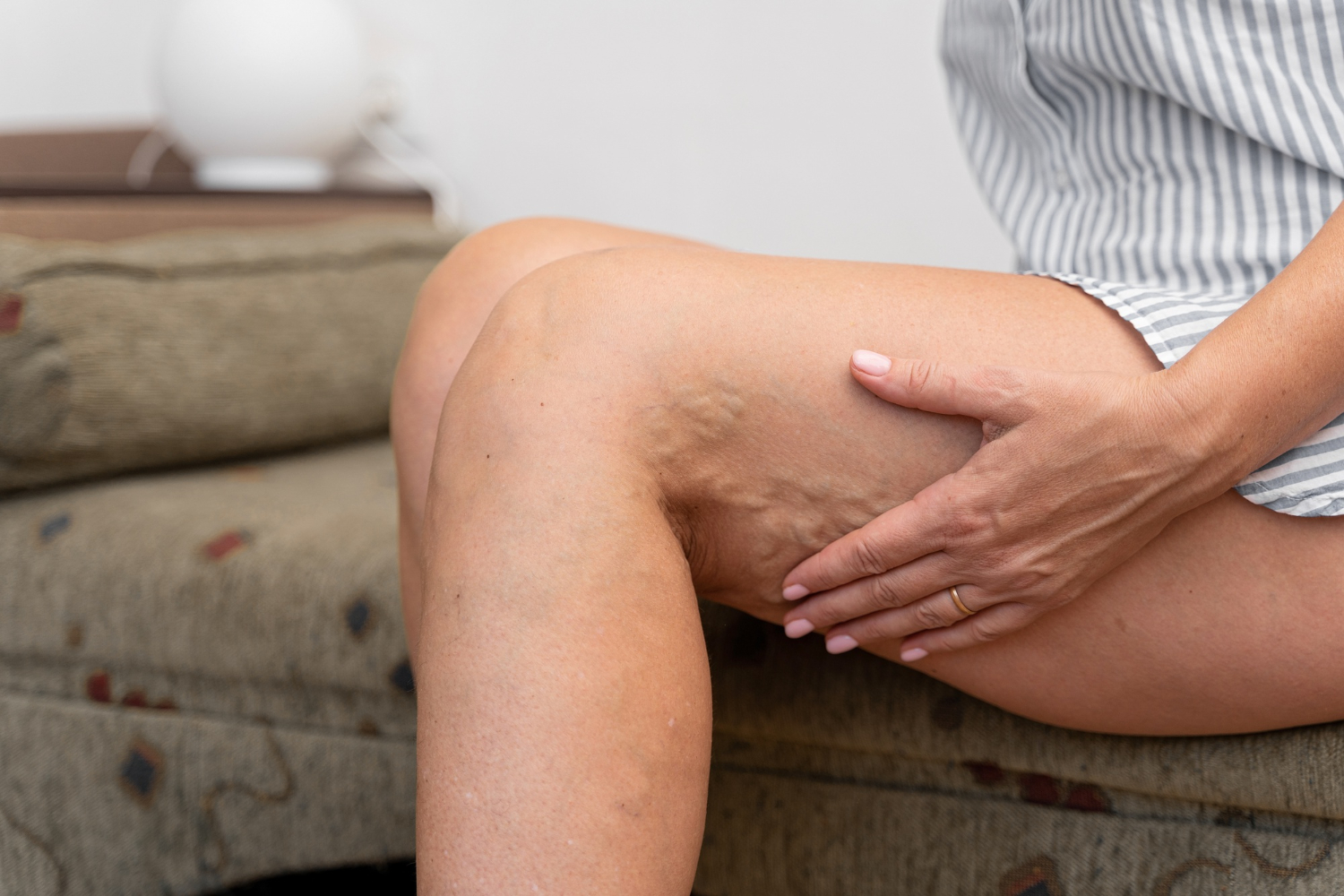
What Causes Chronic Venous Insufficiency
Chronic venous insufficiency happens when blood has trouble moving upward through the leg veins. As blood backs up, lower-leg skin can change, especially near the ankles.
The Signs Are Showing
Skin changes in the lower body can point to advanced vein disease, especially with swelling, itching, or slow-healing sores.
Common Skin Concerns:
-
Ankle Discoloration
-
Lower-Leg Rash
-
Itching
-
Dry Skin
-
Thickened Skin
-
Swelling
-
Slow-Healing Sores
-
Open Sores
-
Heavy Legs
-
Varicose Veins

How We Diagnose Vein Conditions
Start With a Free Scan
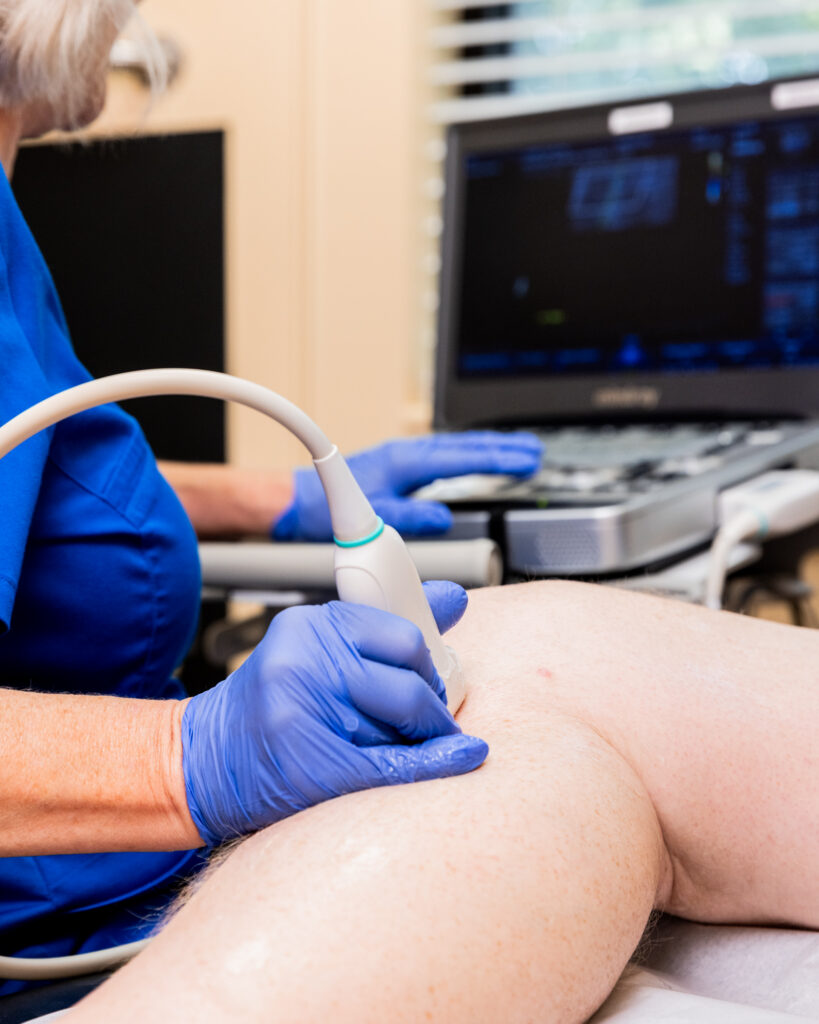
Your first visit is often a free quick scan. An ultrasound tech checks whether blood is moving the wrong way.
Schedule the Next Visit
When the scan shows reflux, we recommend a new patient appointment for a fuller medical evaluation.
Complete the Vein Study
At that visit, a comprehensive ultrasound gives your provider a deeper view of how the affected vein is functioning.
Confirm the Diagnosis
Your provider reviews the imaging to determine whether chronic venous insufficiency is causing the skin change.
Map the Care Plan
If treatment is appropriate, your provider explains the recommended starting point before our team reviews the cost.
Treatment Options Include
You May Need to Seek Treatment If
Skin discoloration near the ankle can be a sign of chronic venous insufficiency. When the mark keeps showing up, a vein scan can show whether reflux is involved.
Recurring lower-leg swelling can happen when blood is not moving upward well. If swelling keeps coming back, imaging can help identify the source.
Heavy legs can connect to chronic venous disease, especially when skin changes are also present. A scan helps show whether treatment belongs in your care plan.

Healing Takes Time
Skin changes from chronic venous insufficiency may not improve right away. Your provider monitors how the leg responds as treatment supports healthier vein function.
Follow-Up Matters
Advanced vein disease often needs an ongoing care plan. Follow-up visits help your provider track healing, review changes, and decide whether another treatment step makes sense.
Start With a Free Quick Scan
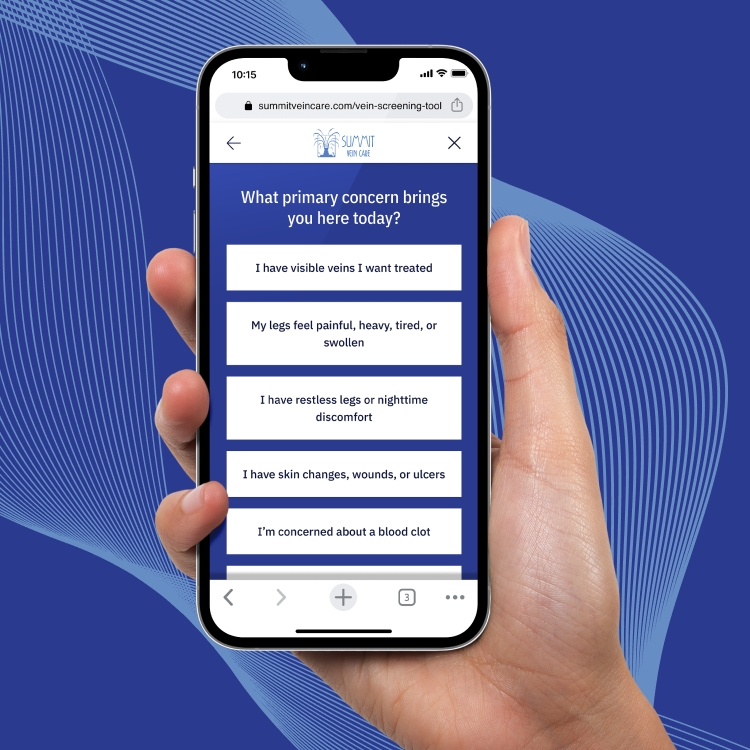
Our ultrasound team performs a 15-minute screening to check for reflux in your veins. If your screening is positive, we’ll recommend a new patient appointment for a full ultrasound and provider evaluation.

About Us
A Clinic That Answers to You
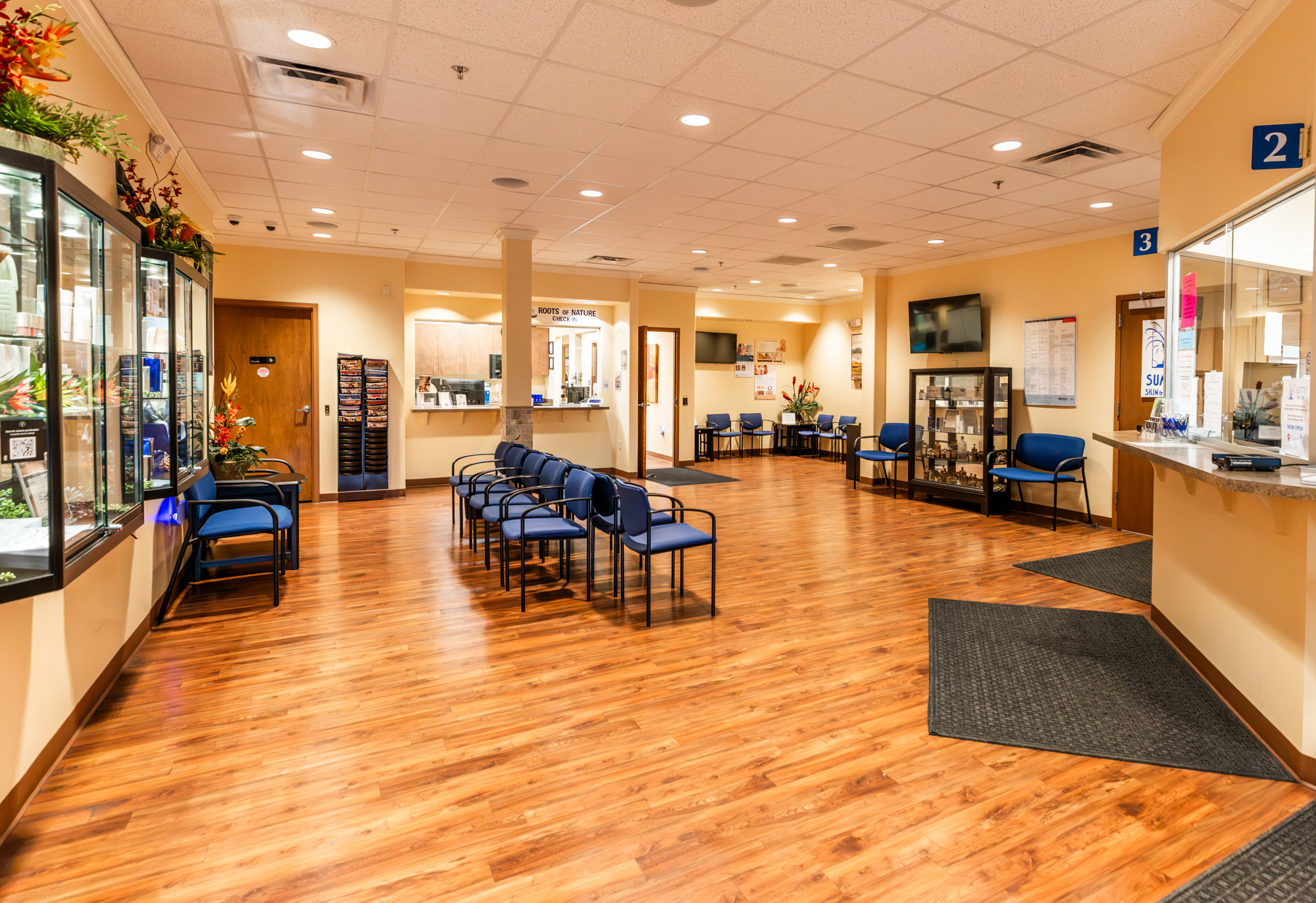
As a privately owned, specialist-only practice, we’ve been treating vein disease in Kansas City since 2005. Every patient knows their out-of-pocket cost before their appointment day. And when a procedure isn’t necessary, we’ll tell you that, too.
Frequently Asked Questions
Chronic venous insufficiency develops when the small valves inside the leg veins stop working correctly. Healthy vein valves open to let blood move upward and close to prevent it from falling back.
When those valves weaken or fail, blood pools in the lower leg instead of returning to the heart, and the sustained pressure that builds up begins affecting the surrounding tissue. The condition tends to progress gradually and is more common among people with a family history of vein disease, those who spend extended time on their feet, and older adults. Summit Vein Care evaluates and treats chronic venous insufficiency in Kansas City.
Yes, it can. For many patients, skin changes are among the most visible signs that the vein system needs attention. When blood pools in the lower leg over time, the resulting pressure pushes fluid into surrounding tissue and triggers inflammation that affects the skin itself.
This process causes discoloration, texture changes, and, in more advanced cases, breakdown that leads to slow-healing wounds. Changes typically appear near the ankle first, where venous pressure is highest, and may progress upward along the lower leg if the condition goes unaddressed. Summit Vein Care provides evaluation for chronic venous insufficiency in Kansas City to determine whether reflux is contributing to what a patient is experiencing.
Without treatment, chronic venous insufficiency tends to progress rather than stabilize. Sustained pressure in the lower leg may cause skin changes to worsen. Discoloration can deepen, texture changes may become more pronounced, and the skin may eventually break down.
Wounds that develop at this stage often heal slowly or incompletely because the underlying vein dysfunction continues to affect blood flow to the surrounding tissue. Earlier intervention generally leads to better outcomes. If you’re looking for chronic venous insufficiency care in Kansas City, Summit Vein Care’s evaluation process can identify how far the condition has progressed and what the appropriate next step may be.
You do not need a referral to be seen by our team. Patients can contact Summit Vein Care directly to schedule a free quick scan or a new patient appointment.
If your primary care doctor has flagged a concern or provided documentation, that context can be helpful when you come in, but it is not a condition of being seen. Patients seeking care for chronic venous insufficiency in Kansas City are welcome to reach out directly, and our team will help determine the right starting point based on what you are experiencing.
Compression stockings, leg elevation, and regular walking may help reduce swelling and discomfort. Compression stockings apply gentle external pressure that supports the vein walls and encourages blood to move upward.
Keeping the legs elevated above heart level for short periods can relieve pressure that builds throughout the day. These steps may make a meaningful difference in day-to-day comfort, but they do not correct the valve dysfunction behind CVI. In fact, symptoms often return or worsen without treatment. Summit Vein Care’s team helps patients managing chronic venous insufficiency in Kansas City determine whether a formal care plan makes sense for what they are experiencing.
The Easiest First Step Is Free
Not sure if your symptoms are vein-related? Start with our screening tool. When you’re ready to come in, schedule your free quick scan.