Consultation Required
Yes
A Plan for Problem Veins
Yes
45 to 60 Minutes
None
Doctor or NP
Summit Vein Care often treats the larger vein first, then works toward smaller veins later. This sequence helps us close the vein causing reflux before treating smaller veins later in the plan.
Leg heaviness, aching, and swelling can build slowly. When those symptoms connect to venous insufficiency, laser vein treatment may belong in your care plan.
Raised, twisted, or bulging veins can signal a larger vein issue below the surface. EVLA may help when imaging shows a damaged vein needs treatment first.
EVLA takes place in office and has no downtime. After treatment, we encourage walking and normal movement instead of long rest or recovery.
How We Work
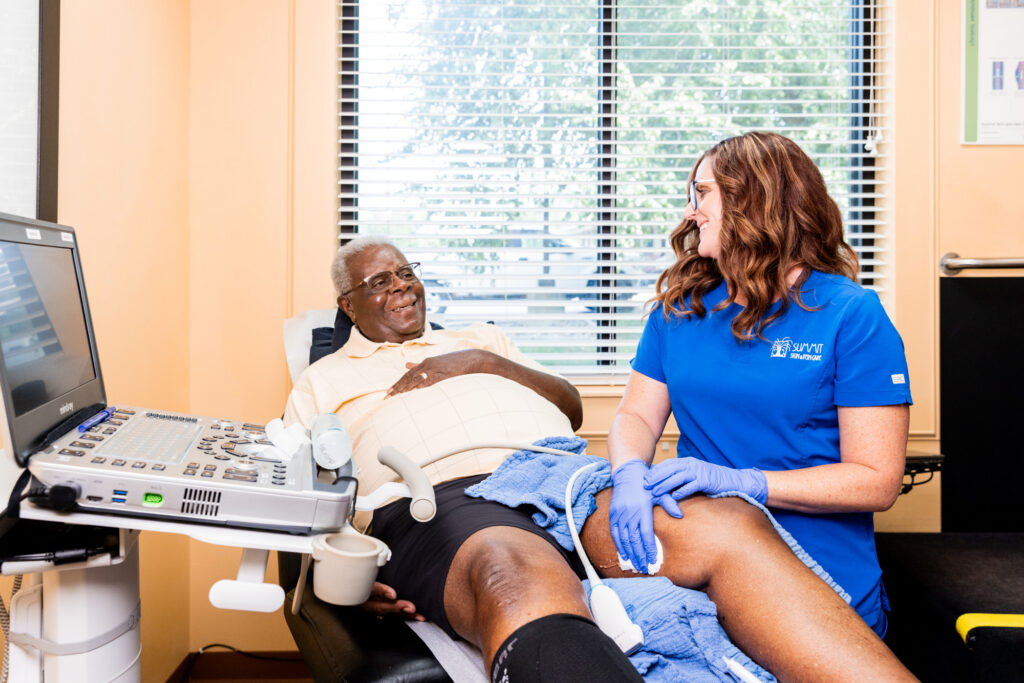

Eat a small snack or normal meal before your procedure, and wear loose, comfortable shorts as instructed.
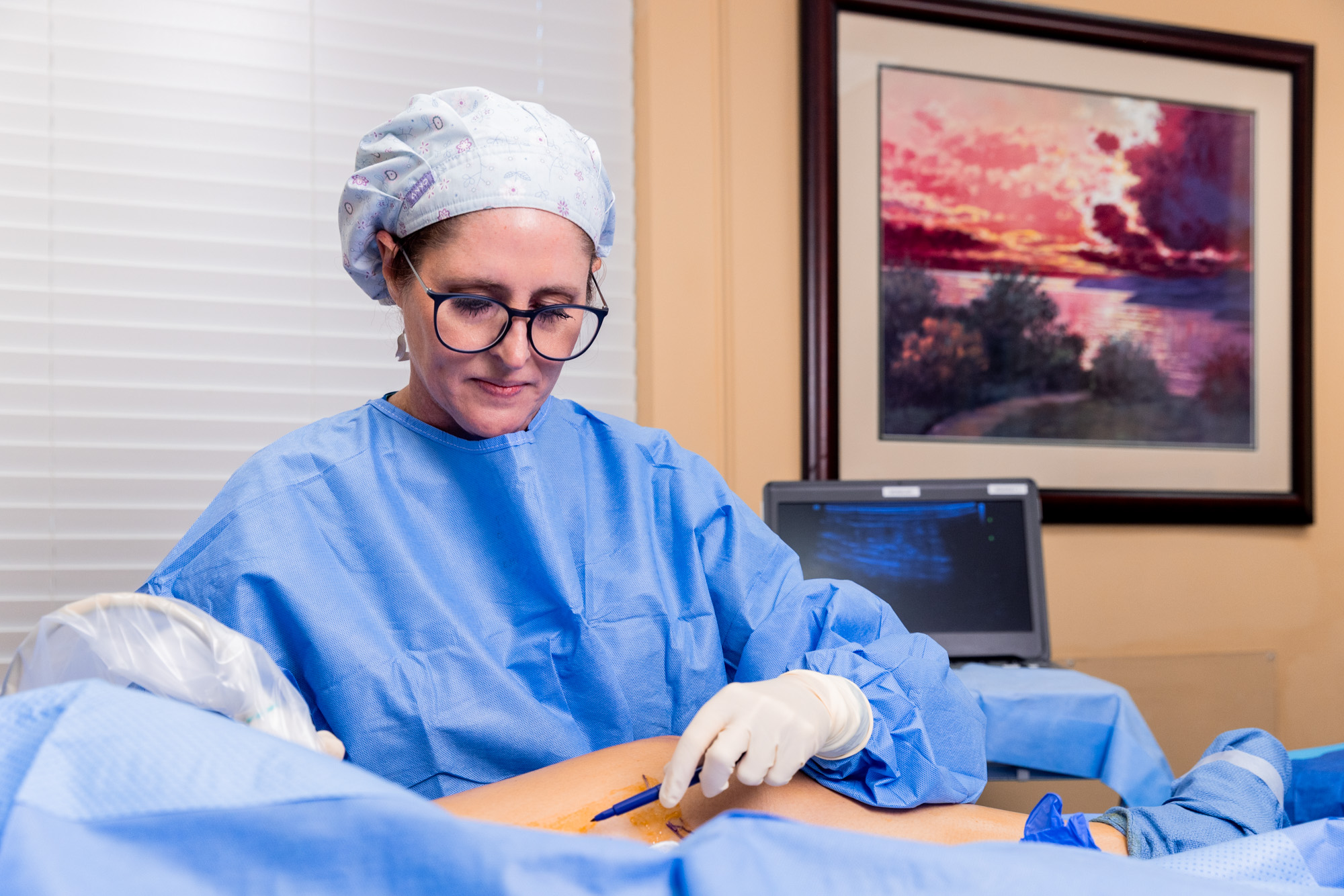
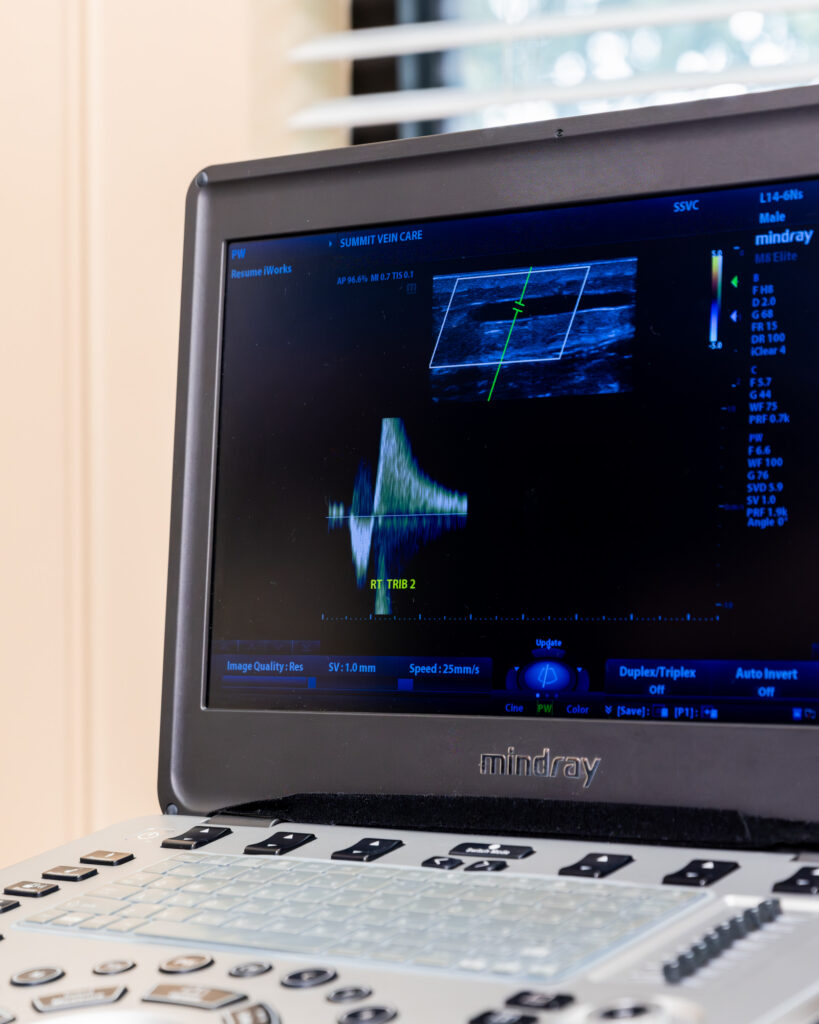
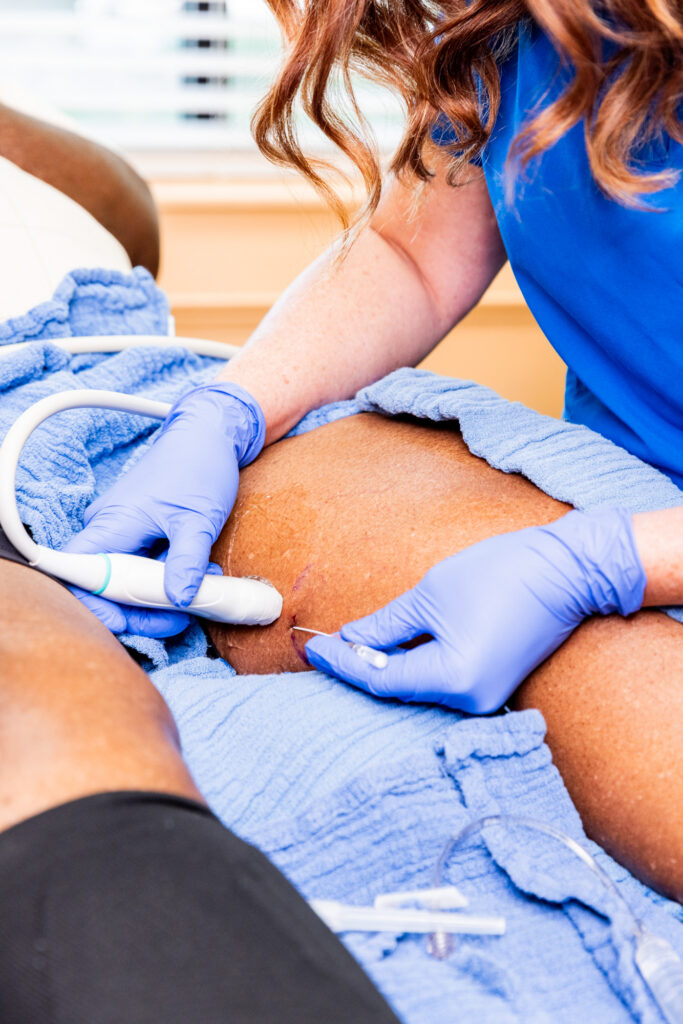
Your provider treats one leg at a time and uses ultrasound guidance throughout the procedure.

You receive clear aftercare instructions for compression, walking, showering, and follow-up care.
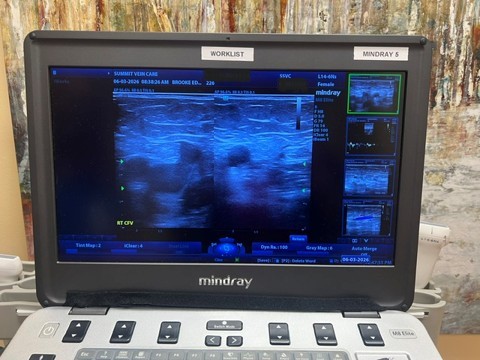
Our ultrasound team performs a 15-minute screening to check for reflux in your veins. If your screening is positive, we’ll recommend a new patient appointment for a full ultrasound and provider evaluation.

EVLA treats larger source veins that often require care before treating smaller veins.
Closing the damaged vein helps blood move through healthier veins instead of pooling in the treated one.
Targeting the source of reflux first gives each step in the care plan a stronger starting point.
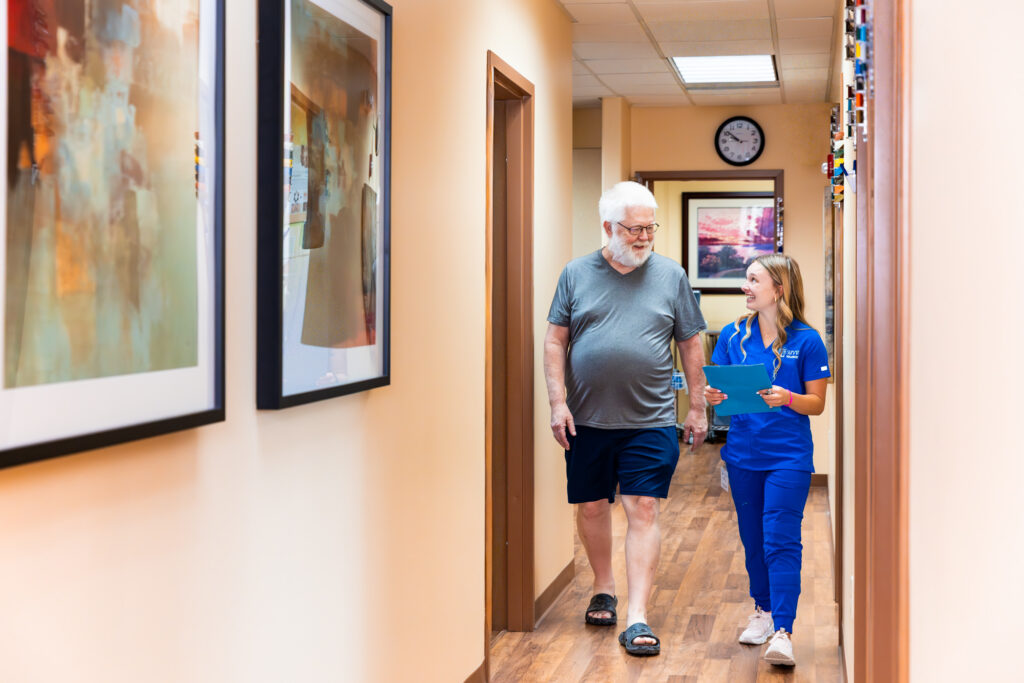
Wear compression stockings daily for 7 days, removing them at night. Your care team may adjust this based on your comfort.
Walk 2 times a day for 10 to 15 minutes. Shorter, more frequent walks can also help if needed.
You may shower after treatment, but avoid baths, pools, lakes, hot tubs, and saunas for 48 hours.
Avoid extensive travel for 2 weeks when possible. If you must travel, walk regularly and wear compression stockings.
About Us
As a privately owned, specialist-only practice, we’ve been treating vein disease in Kansas City since 2005. Every patient knows their out-of-pocket cost before their appointment day. And when a procedure isn’t necessary, we’ll tell you that, too.
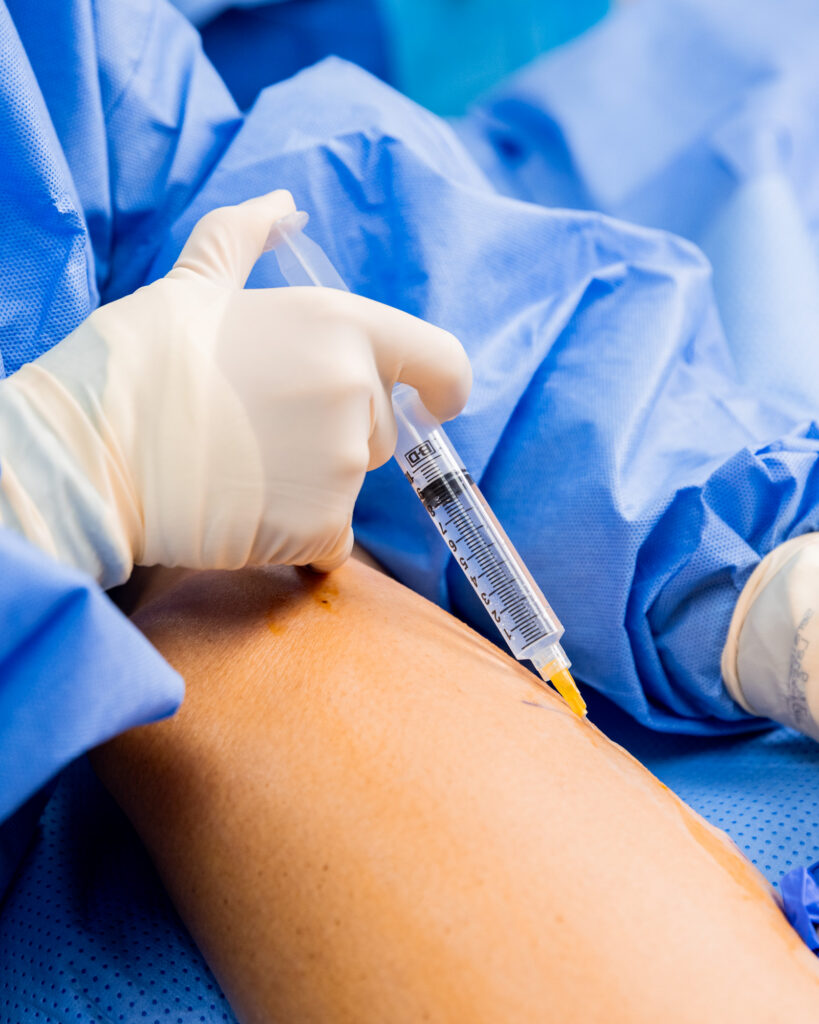
The numbing step is typically the most noticeable part. You can expect small pinches as your provider places the tumescent solution around the vein.
Once the area is numb, most patients describe the laser portion as warmth or mild pressure rather than a sharp sensation. How much you feel can vary based on the size and location of the treated vein. Your provider checks in throughout, and the pace stays unhurried. If anything feels more uncomfortable than expected, your care team can adjust.
Bruising, tightness, and tenderness along the treated vein are common in the first 1 to 2 weeks. Some patients also notice a cord-like firmness under the skin. That is a normal part of how the body responds as the treated vein closes and is reabsorbed.
Walking and compression both help manage these sensations. Most patients find the discomfort mild and manageable day to day. If you notice sharp pain, significant swelling, or anything that changes quickly after endovenous laser treatment in Kansas City, contact our team.
Yes, most patients drive themselves home. EVLA uses local numbing only—no general anesthesia or sedation—so you leave the appointment alert and able to drive. The tumescent solution numbs the treatment area but does not affect your overall alertness. If you’d prefer to have someone with you for your first visit of getting endovenous laser treatment in Kansas City, you’re welcome to bring a family member or friend.
We treat one leg per visit so every step of the procedure has the time and focus it needs. If both legs require EVLA, we schedule the second visit on a separate day. Often within the same treatment week, depending on your schedule and how you feel after the first.
When you receive endovenous laser treatment in Kansas City at Summit Vein Care, your care team maps out the timing for both legs during your new patient appointment so the plan stays coordinated from start to finish.
EVLA uses laser heat to close larger damaged veins and may be performed first in a treatment plan. It requires ultrasound guidance, tumescent numbing, and a small fiber placed inside the vein.
EVCA may be performed before or after EVLA, using a chemical solution delivered through a single needle to treat smaller veins that still need attention. The two procedures work together rather than independently. Patients receiving endovenous laser treatment in Kansas City at Summit Vein Care may receive both as part of one coordinated care plan, with the order and timing guided by imaging. Sclerotherapy is typically the final line of treatment for any remaining veins that need attention.
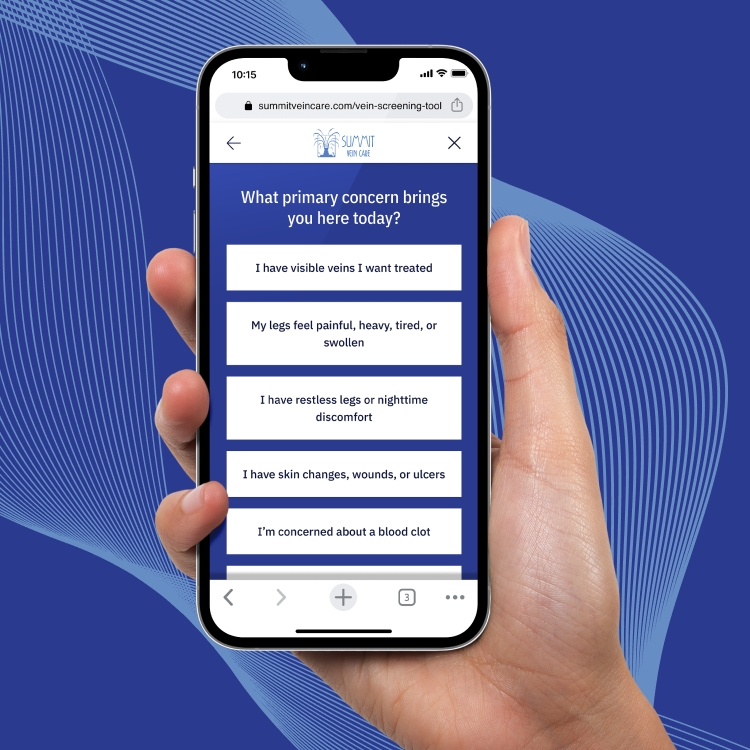
Not sure if your symptoms are vein-related? Start with our screening tool. When you’re ready to come in, schedule your free quick scan.