
Compression may help the treated vein respond. Your care team explains how it should fit into your recovery before you leave.
Vein Treatment Recovery Made Clear
Most patients return to normal movement without downtime. Your provider reviews compression, activity, and follow-up instructions before you leave.
What to Know First
Vein treatment recovery depends on which veins we treat and where you are in the care plan. Because sclerotherapy often comes later in treatment, your instructions may look different from someone starting with EVLA or EVCA.
Addressing Common Patient Concerns
Patients can go for walks and do light movements after treatment. Higher-effort activities may need to wait until your provider clears them, especially when the treated area needs more time to settle.
Some recovery rules help protect the treated area from irritation. Your provider explains what to pause after your appointment, then personalizes guidance around your treatment plan.
Follow-up care shows how your vein responds after treatment. That visit helps your provider decide whether recovery is on track or another step belongs in your plan.
What You Can Expect
15-Minute Quick Scan
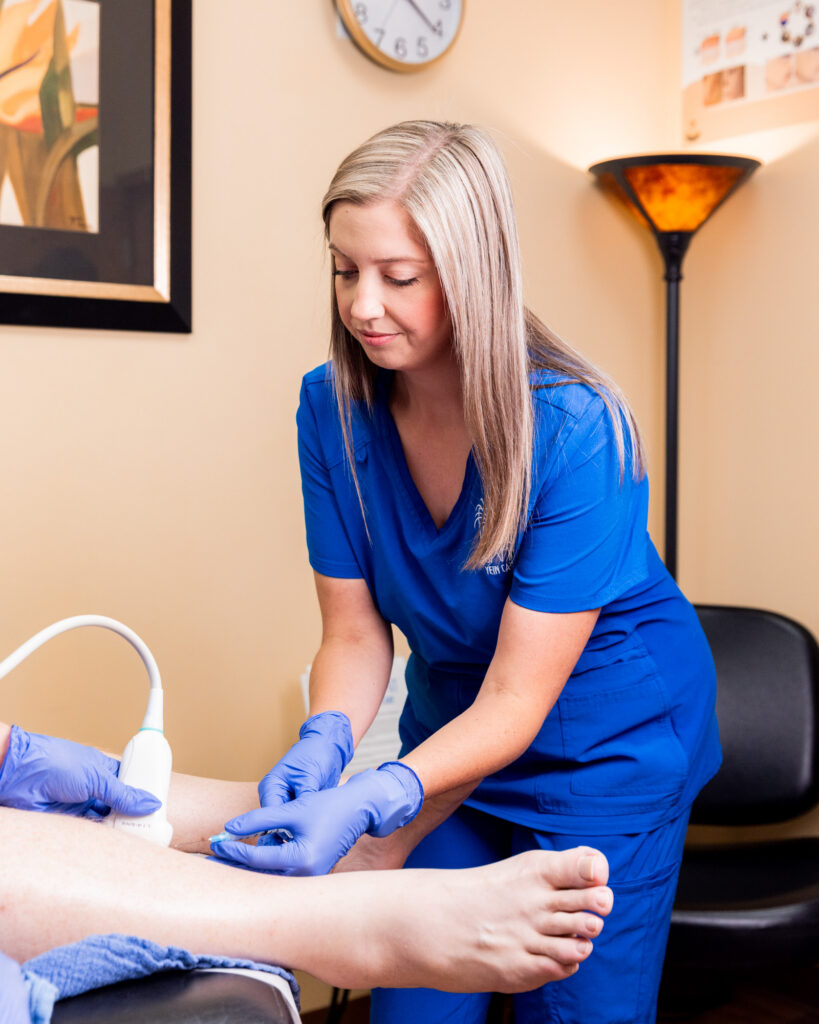
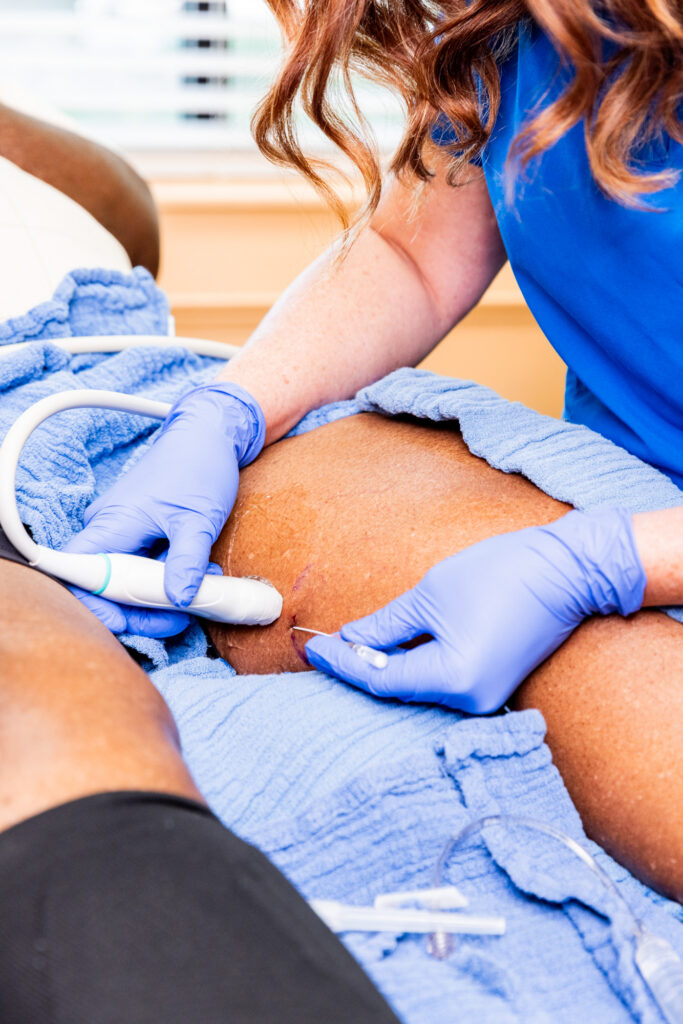
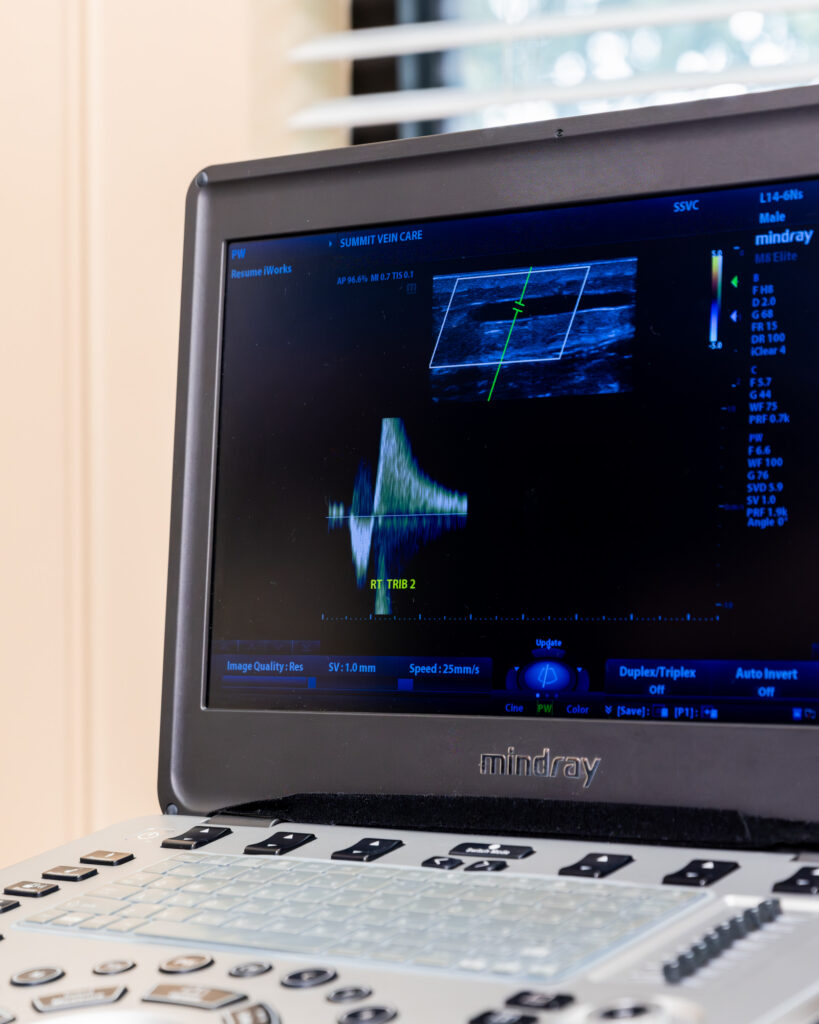
Many patients begin with a free quick scan. An ultrasound tech checks for reflux in about 15 minutes.
Comprehensive Evaluation
If the scan points to reflux, your next visit gives the provider a fuller look before treatment planning.
A Focused Visit
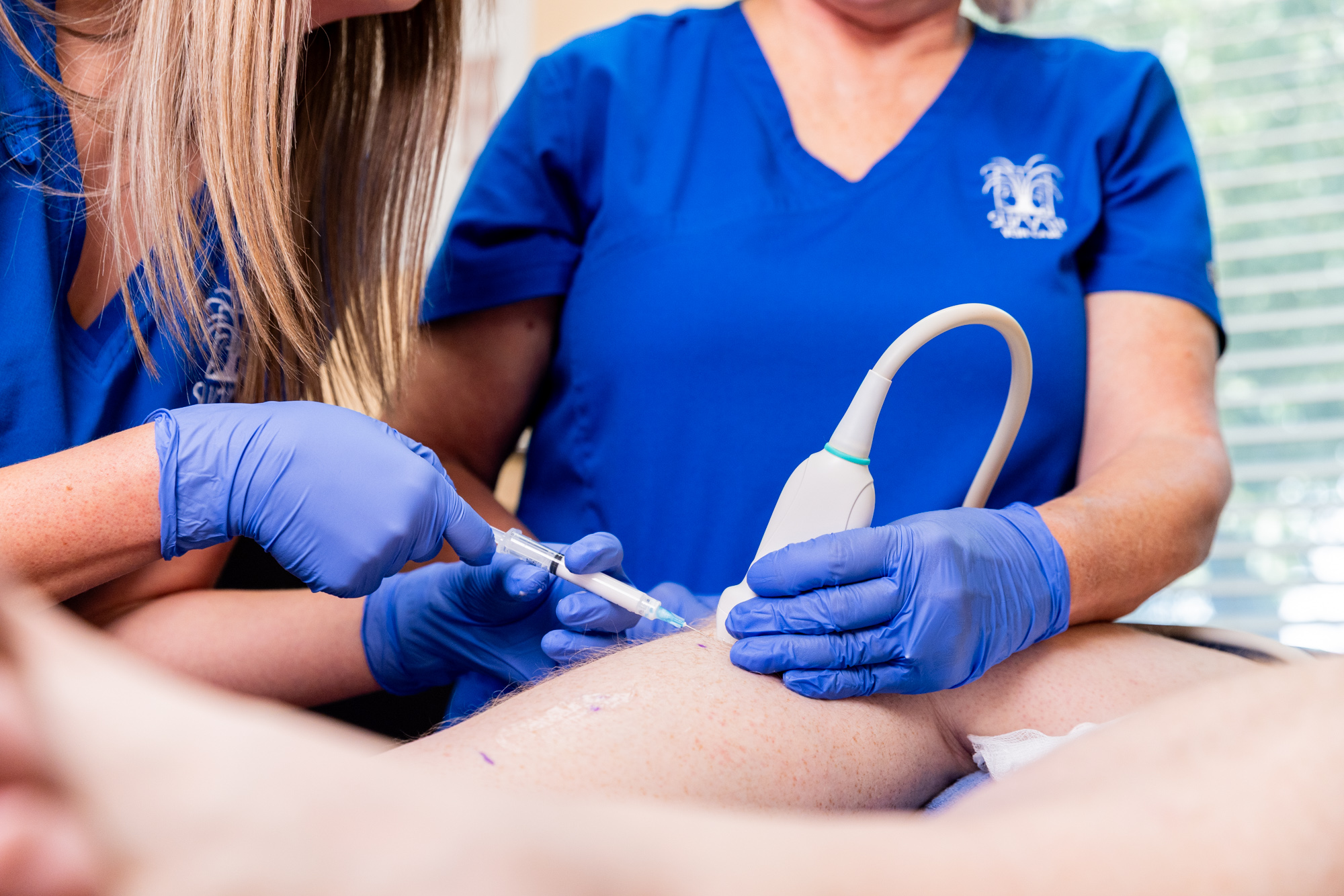
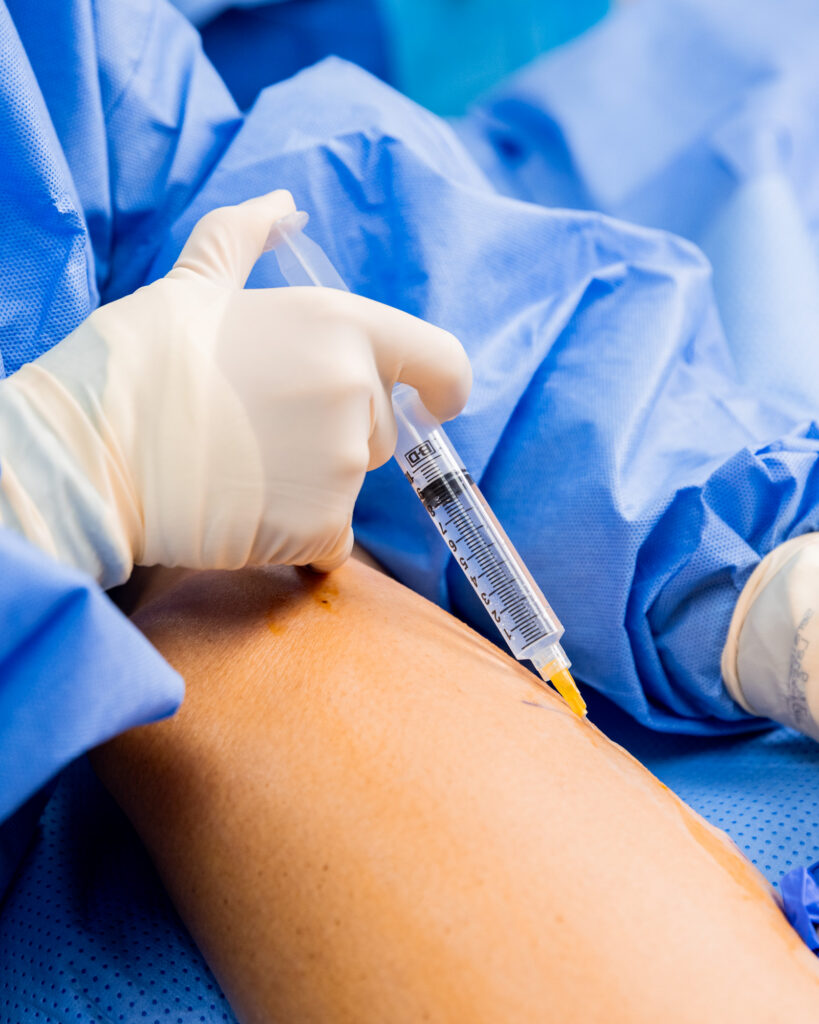
Sclerotherapy usually takes about 30 minutes. Your provider treats the specific vein for that appointment.
Ongoing Treatment
Sclerotherapy often comes later in the plan, after doctors have already treated larger vein concerns.
Clear Aftercare
Before you leave, your care team explains how recovery should work for your treatment plan.

Treatment Options Include

Early Evaluation Matters
Getting answers early can help patients start treatment sooner when care makes sense. Summit Vein Care keeps the process focused, so recovery guidance comes from what your veins show, not a generic handout. You know why the next step matters.
More Answers About Vein Health
-
Read More About We Launched Our New Website!

We Launched Our New Website!
-
Read More About Potential Complications of Varicose Veins (And Why Early Treatment Matters)
Potential Complications of Varicose Veins (And Why Early Treatment Matters)
-
Read More About Vein Treatment Recovery Timeline: What to Expect After Your Procedure

Vein Treatment Recovery Timeline: What to Expect After Your Procedure
-
Read More About Exercise and Varicose Vein Health

Exercise and Varicose Vein Health
-
Read More About Ignoring Varicose Veins

Ignoring Varicose Veins
-
Read More About Is It Normal for Your Legs to Throb at Night?

Is It Normal for Your Legs to Throb at Night?
Frequently Asked Questions
Yes, your provider may ask you to pause certain habits while the treated area settles. The goal is to avoid irritation while the vein responds to treatment.
Your provider will review those instructions before you leave. For sclerotherapy recovery, Kansas City patients should follow the plan given at their appointment because aftercare can change based on the vein treated that day.
Most patients can drive themselves home after sclerotherapy. The appointment does not usually involve sedation, so many people leave ready to return to their day.
Your provider will let you know if your situation calls for a different plan. When patients ask us about sclerotherapy recovery in Kansas City, scheduling often comes down to confidence. We want you to know what the appointment involves before you arrange the rest of your day.
Yes, recovery can feel different because each treatment targets a different part of the vein care plan. EVLA uses laser heat to close larger damaged veins, while EVCA uses medical foam to close smaller problem veins. Either treatment may come first, depending on your treatment plan and ultrasound imaging.
Sclerotherapy uses injections to treat smaller veins that still need attention and is typically the final line of treatment. Because each step targets different veins, aftercare may vary. For sclerotherapy recovery, Kansas City patients should follow the instructions provided for that specific appointment.
Results after sclerotherapy develop over time because the treated vein has to respond first. Some patients notice visible changes sooner, while others need more time before the area looks or feels different.
Your follow-up visit helps your provider understand how your vein is responding. With sclerotherapy recovery, Kansas City patients should expect a process rather than an instant change. The timeline depends on your treatment plan and how your body heals.
The number of sclerotherapy sessions depends on what your provider sees during imaging and how the treated vein responds. During sclerotherapy recovery, Kansas City patients return for follow-up so the provider can decide whether another session makes sense. That decision comes from your progress.
Many patients return to work the same day as sclerotherapy, especially when their job does not require heavy physical effort. Your provider usually encourages normal movement after treatment because staying active can support recovery. Your provider may adjust guidance if your work puts extra strain on the treated leg.
The Easiest First Step Is Free
Not sure if your symptoms are vein-related? Start with our screening tool. When you’re ready to come in, schedule your free quick scan.