
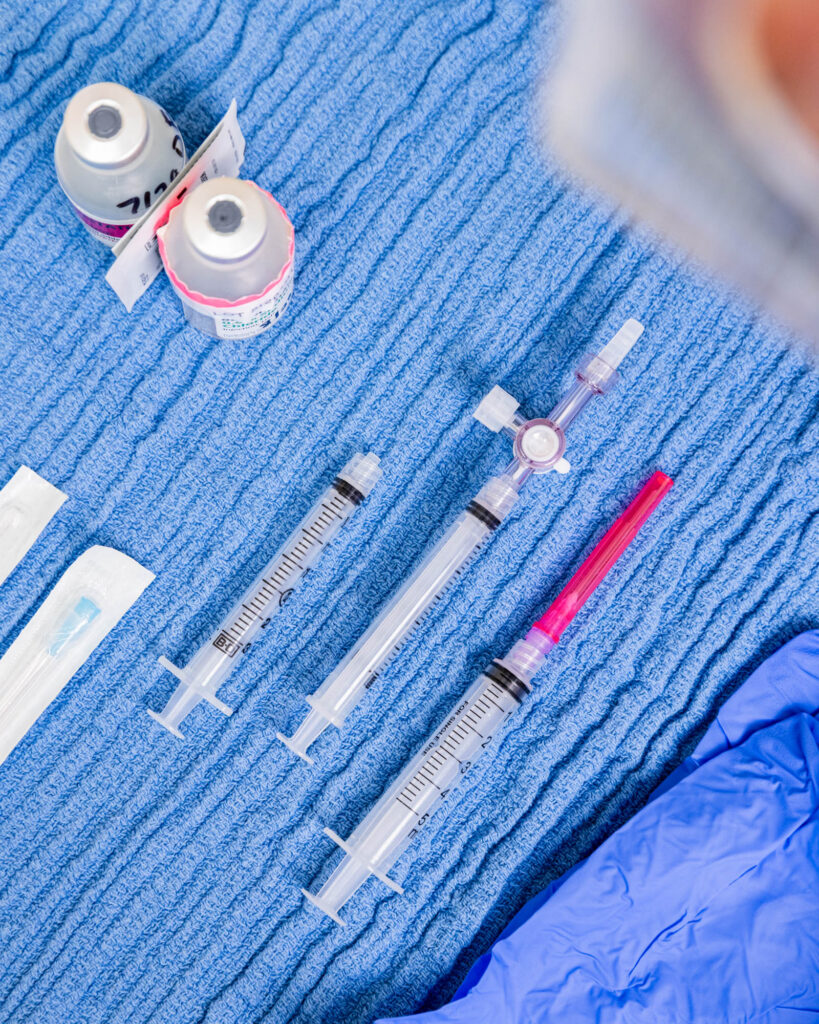
A symptom pattern that keeps coming back deserves a closer look. When the same leg concern keeps returning, ultrasound imaging can show whether poor circulation symptoms are connected to vein flow.
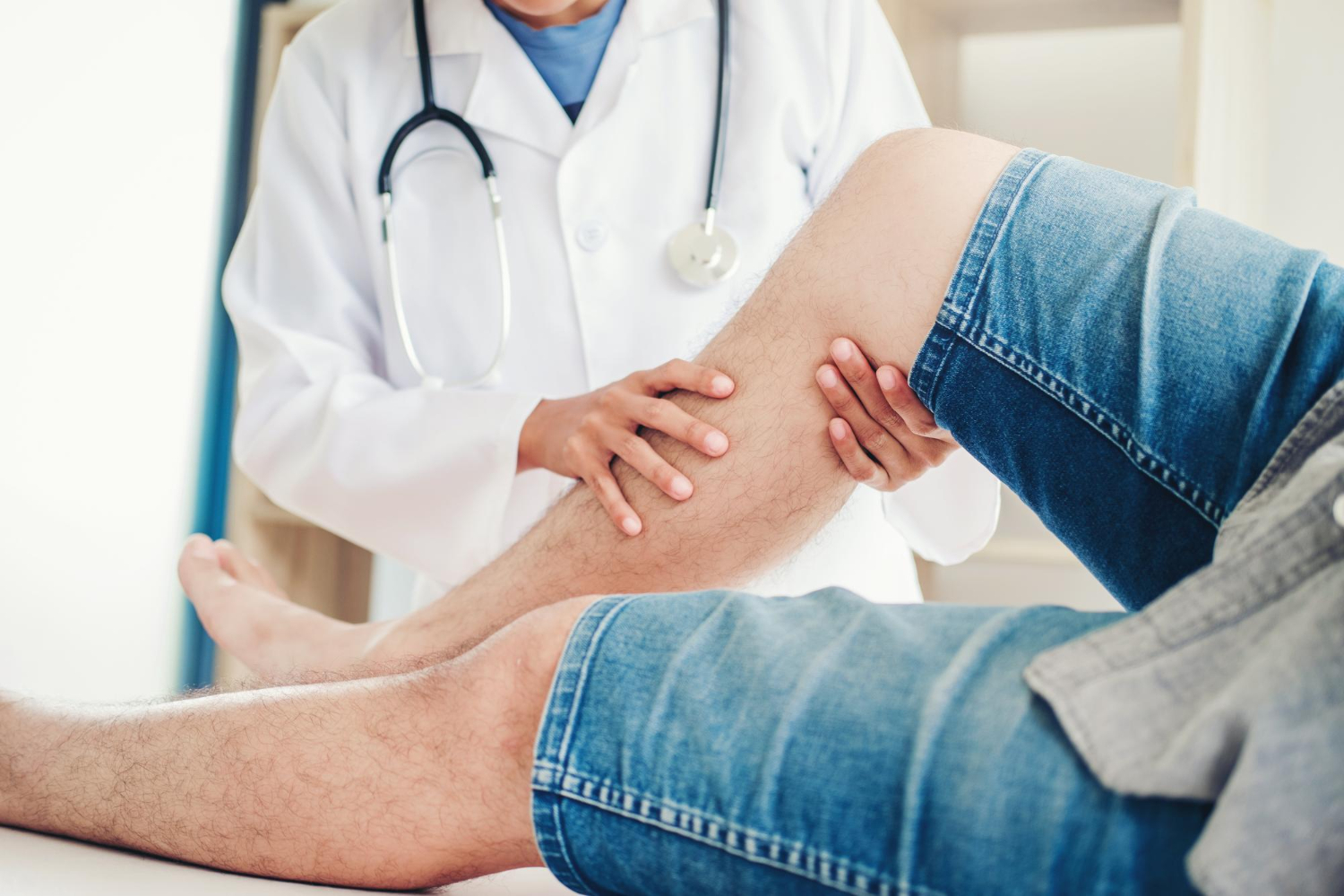
What Causes These Blockages
Patients often use the term “blockage” to describe when their legs keep feeling heavy. In vein care, the issue often starts when damaged valves let blood move the wrong way and linger lower in the leg.
Warning Signs of Vein Blockages
Recurring leg heaviness, swelling, aching, or skin changes may point to vein-related circulation issues.
Common Concerns:
-
Heavy Legs
-
Leg Swelling
-
Ankle Swelling
-
Aching
-
Cramping
-
Leg Fatigue
-
Itching
-
Skin Changes
-
Visible Veins
-
Slow-Healing Sores
How We Find Answers
The Free 15-Minute Scan
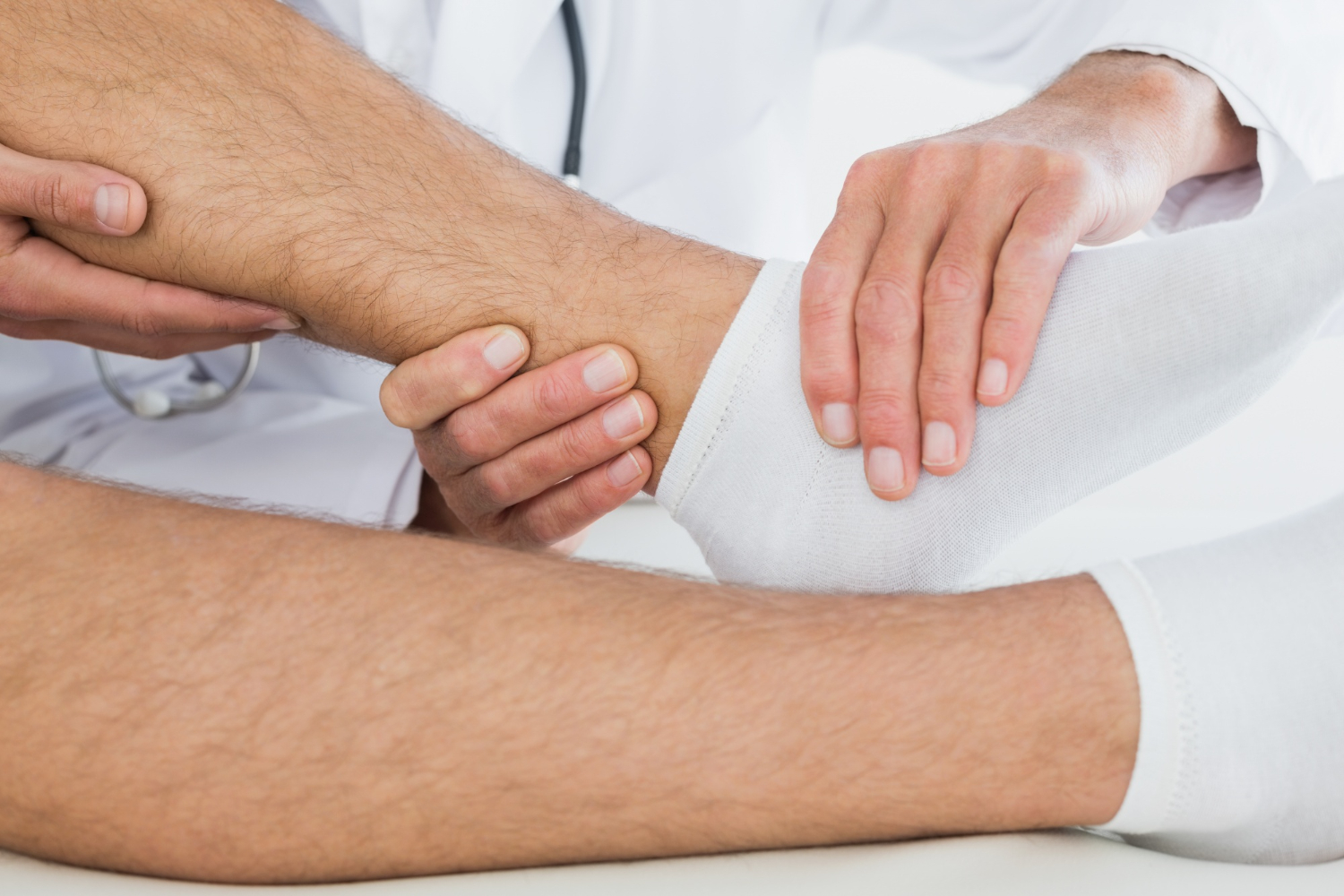
Summit Vein Care often starts with a free quick scan. An ultrasound tech checks whether reflux may be affecting your leg veins.
Follow-up Appointment
If the scan shows a concern, we may recommend a new patient appointment so your provider can take a closer look.
Initial Provider Appointment
Your ultrasound gives the provider more detail about how blood moves through the veins we may need to treat.
Reviewing the Treatment Plan
Your provider explains what the imaging shows, why treatment may help, and which step makes sense first.
Clear Cost Review
Before treatment moves forward, our team checks your benefits and explains what you can expect before your appointment day.
Treatment Options Include
You May Need to Seek Treatment If
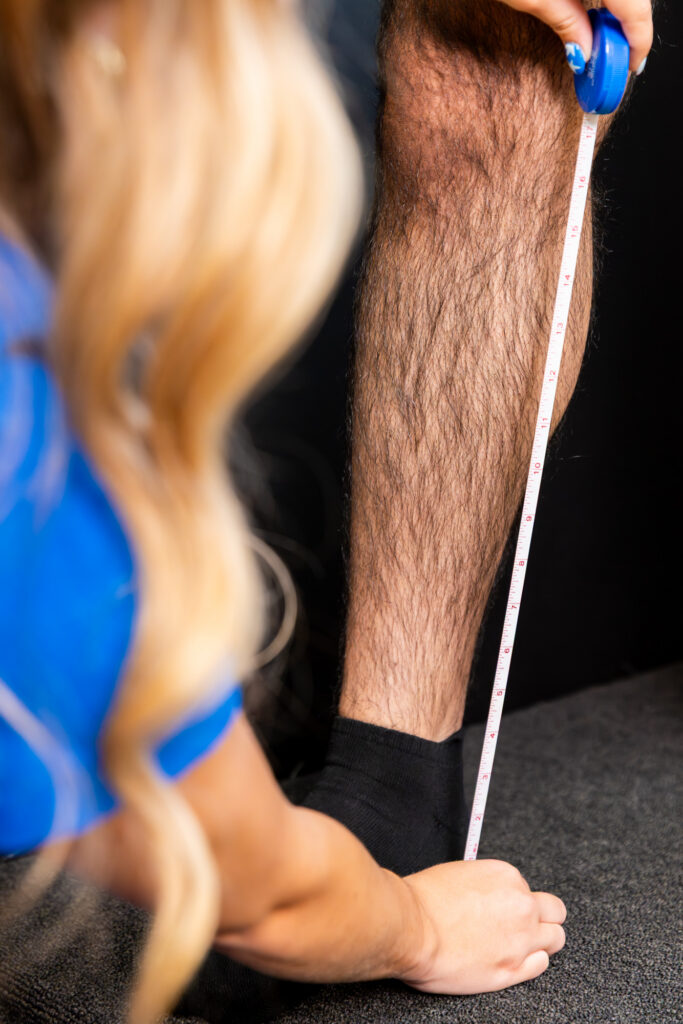
When your legs start changing how you move through the day, the concern should get addressed. We use imaging to see whether vein care may help you return to normal routines.
Ankle swelling can signal that blood is not moving upward as well as it should. If the swelling returns by day’s end, a vein scan can help explain the pattern.
Skin color changes near the lower leg can happen when vein disease affects tissue over time. A provider should review the concern before the skin becomes harder to heal.

Recovery, Relief & Long-Term
Vein Health
Vein treatment often takes about 6 to 9 months because insurance shapes the pace. Your provider explains each step before care moves forward.
Start With a Free Quick Scan
Our ultrasound team performs a 15-minute screening to check for reflux in your veins. If your screening is positive, we’ll recommend a new patient appointment for a full ultrasound and provider evaluation.

About Us
A Clinic That Answers to You
As a privately owned, specialist-only practice, we’ve been treating vein disease in Kansas City since 2005. Every patient knows their out-of-pocket cost before their appointment day. And when a procedure isn’t necessary, we’ll tell you that, too.
Frequently Asked Questions
Not always. But vein disease is one of the more common and underdiagnosed causes of poor circulation symptoms like leg heaviness, swelling, and aching. These symptoms can overlap with other conditions, which is why imaging matters. A free quick scan is the fastest way to find out whether reflux is involved. If it is, we explain what we found and what we’d recommend. If not, we’ll explain what your next steps for follow-up care should be.
For most patients, the free quick scan causes little to no discomfort. If you have an open wound, significant swelling, or sensitive skin, your technician will adjust their approach and let you know what to expect before they start.
For procedures, most patients report only mild discomfort. If you tend to get nervous before medical appointments, let our team know. We can arrange a prescription relaxation medication through your pharmacy before your appointment day. We explain every step before it happens, and we always want to know if something doesn’t feel right.
Vein treatment for poor circulation symptoms focuses on your routine and your recovery. Typically, patients return to work the following day. We actively encourage walking starting the same day as your procedure, as movement supports healing and circulation. You may receive advice from your provider to wear compression stockings for about a week following treatment. If you need a note for your employer, we provide one—just let us know when you call.
Patients with poor circulation symptoms usually qualify for insurance coverage, including those on Medicare. Our team checks your benefits before treatment begins and before every appointment. That way, you’ll know exactly what your out-of-pocket cost will be. If your coverage doesn’t apply, we offer cash-pay options and payment plans to make care accessible regardless of your situation.
Yes. Vein disease has a strong genetic component. Poor circulation symptoms can develop in people who are otherwise in excellent health. If a parent or sibling has dealt with varicose veins or similar concerns, your risk may be higher. Occupation, age, and time spent on your feet all contribute. A quick scan can show whether vein flow is part of the picture, regardless of your fitness level or history.
This is one of the more common reasons patients wait longer than they should. Poor circulation symptoms like leg heaviness, swelling, and cramping often develop before any vein becomes visible from the outside. Vein disease starts with valve failure beneath the skin’s surface, not with how your legs look. The quick scan checks blood flow directly, which is the only reliable way to find out what’s happening.
Many patients notice improvement in leg heaviness and swelling within weeks of their first procedure. Your provider walks you through what to expect at every stage, and you’ll know what comes next before each appointment.
The Easiest First Step Is Free
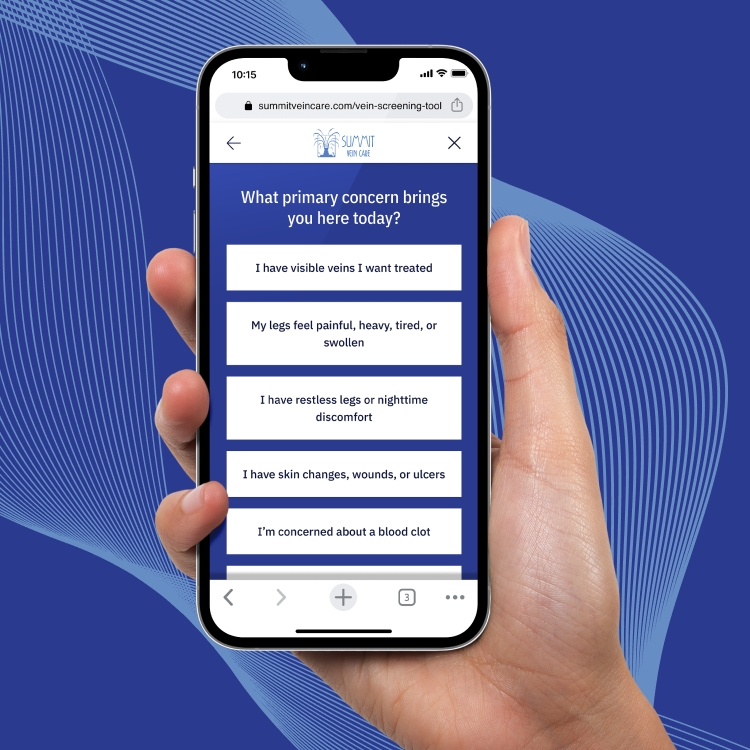
Not sure if your symptoms are vein-related? Start with our screening tool. When you’re ready to come in, schedule your free quick scan.