
Patients often want to know what the laser does. EVLA uses heat inside the damaged vein to close it, so blood can move through healthier nearby veins instead of the vein causing trouble.
EVLA, Explained
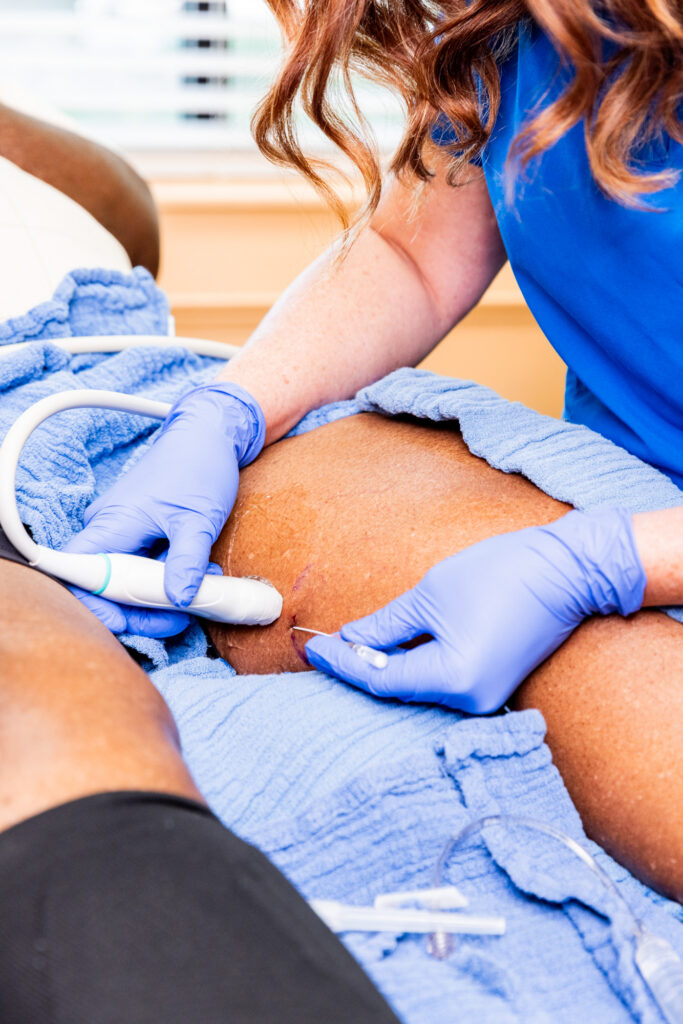
EVLA stands for endovenous laser ablation. It is an in-office treatment that uses ultrasound guidance and laser heat to close a larger damaged leg vein so blood can move through healthier veins.
EVLA and Your Vein Care Plan
EVLA treats larger damaged veins and may be performed before or after EVCA, depending on your ultrasound imaging and treatment plan. Your provider will determine the appropriate sequence based on your individual vein needs.
Addressing Common Patient Concerns
Many patients ask what treatment feels like. Summit Vein Care uses local numbing and ultrasound guidance to support comfort, and your care team checks in as the procedure moves forward.
A common concern is downtime. Typically, patients keep up with light activity after EVLA, and walking usually belongs in aftercare. Your provider also reviews compression, activity, and follow-up instructions before you leave.
Patients often wonder why EVLA comes before other treatments. It’s because we typically treat the larger damaged vein first, then use follow-up imaging to decide whether smaller veins still need attention.
What You Can Expect
Free Quick Scan
We start with a free 15-minute ultrasound to look at your veins with no insurance billed.
The Pre-Procedure Scan
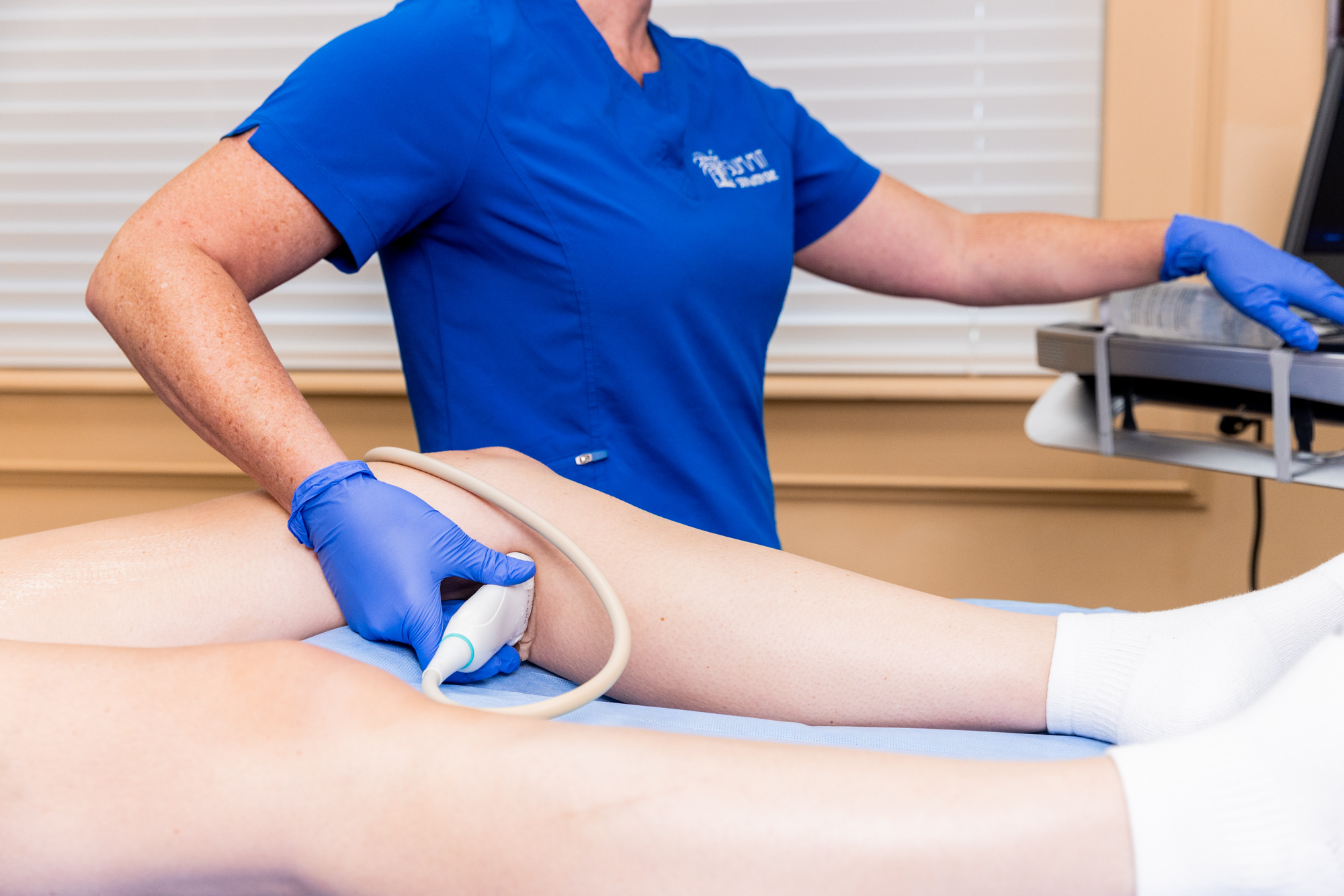
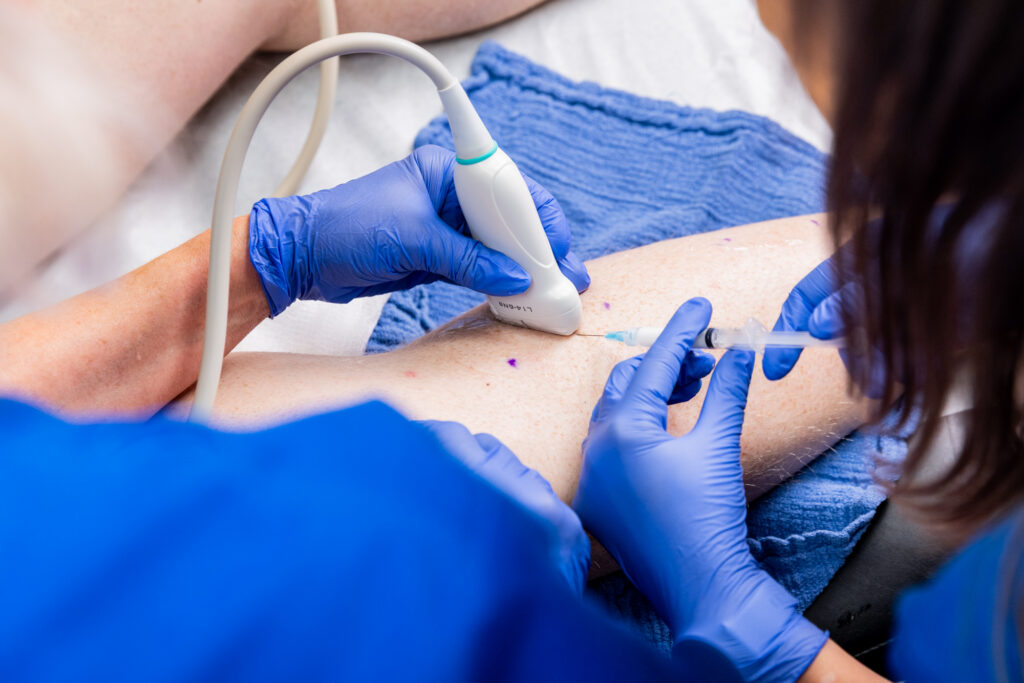
Before the procedure begins, the ultrasound team scans the treatment area to confirm which veins need care and check the surrounding system.
During Your Procedure
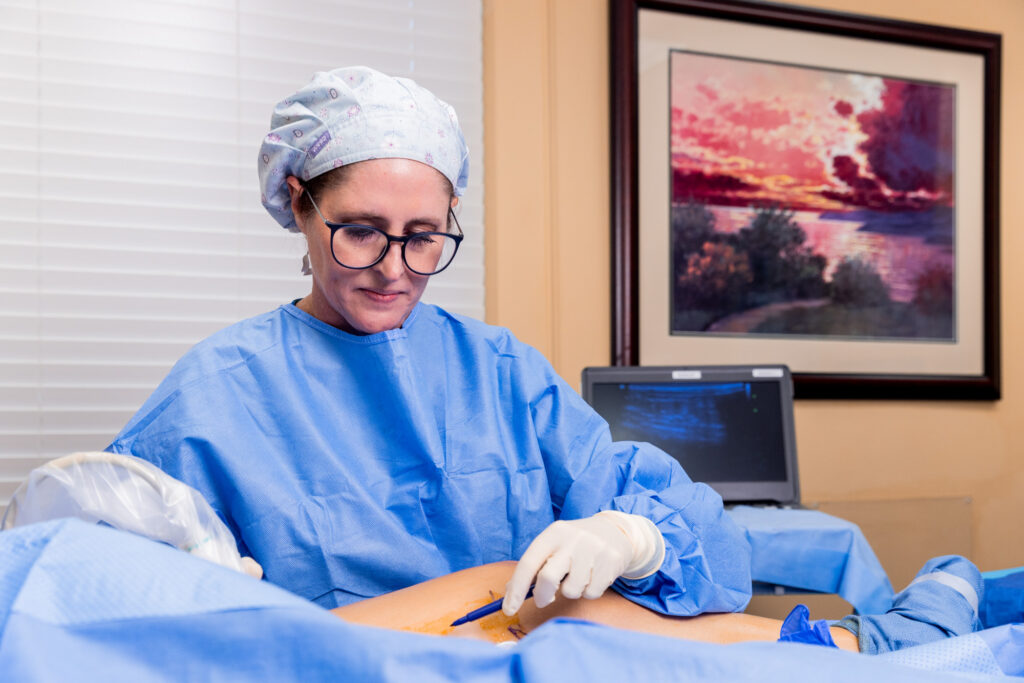
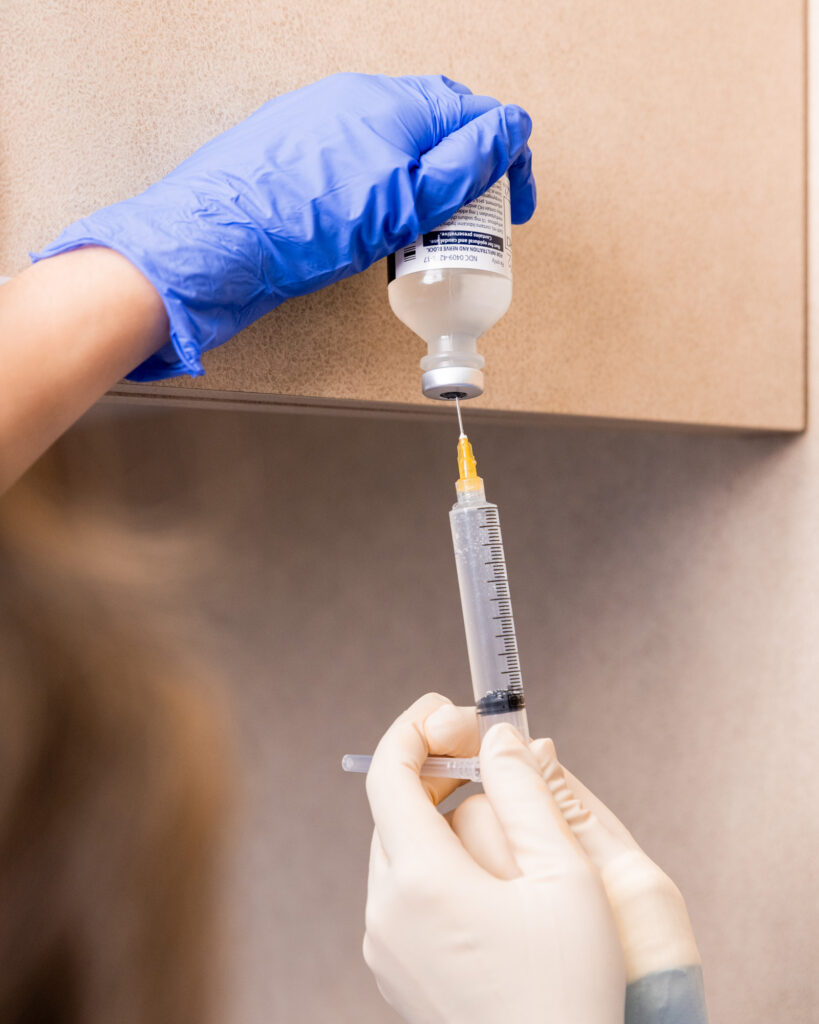
With tumescent anesthesia in place, your provider uses ultrasound guidance and heat to close the damaged vein. Plan for about an hour.
Move the Same Day
Short walks starting the day of your procedure support healing. Your care team will outline compression, activity, and follow-up before you go.
Your Follow-Up Visit
We see you back about one week after your procedure to check on healing and confirm the next step in your care plan.

Treatment Options Include

Early Evaluation Matters
Early evaluation helps patients understand whether a larger vein is contributing to heaviness, swelling, aching, or visible veins. With imaging first, Summit Vein Care can recommend the right starting point instead of skipping ahead.
More Answers About Vein Health
-
Read More About We Launched Our New Website!

We Launched Our New Website!
-
Read More About Potential Complications of Varicose Veins (And Why Early Treatment Matters)
Potential Complications of Varicose Veins (And Why Early Treatment Matters)
-
Read More About Vein Treatment Recovery Timeline: What to Expect After Your Procedure

Vein Treatment Recovery Timeline: What to Expect After Your Procedure
-
Read More About Exercise and Varicose Vein Health

Exercise and Varicose Vein Health
-
Read More About Ignoring Varicose Veins

Ignoring Varicose Veins
-
Read More About Is It Normal for Your Legs to Throb at Night?

Is It Normal for Your Legs to Throb at Night?
Frequently Asked Questions
Patients find the discomfort very mild. We can numb the treatment area before anything begins, so the procedure itself is generally well-tolerated.
Some patients notice a sensation of pressure or mild warmth during treatment, but both feelings are normal responses. Your care team is with you throughout and checks in as things move forward. Most patients who come to us for endovenous laser ablation in Kansas City are surprised by how manageable the experience is.
Some bruising, tenderness, or mild swelling in the treated area is normal in the first few days and typically improves on its own. Occasionally, patients who have received endovenous laser ablation in Kansas City also notice mild numbness or tingling in the lower leg, which tends to resolve over time. Over-the-counter pain relief can help manage early discomfort, and written post-care instructions go home with you after the procedure.
We treat one leg at a time because each leg has its own procedure appointment. For patients pursuing endovenous laser ablation in Kansas City with symptoms in both legs, those appointments can often be scheduled back to back within the same week, keeping treatment moving efficiently while giving each leg the focused attention it needs.
EVLA is often covered by insurance when a diagnostic ultrasound study confirms medical necessity. We verify your benefits before your appointment so you know your out-of-pocket costs in advance. We accept most major insurance carriers. For patients exploring endovenous laser ablation in Kansas City, our team handles the coverage research on your behalf, and payment plan options are available for those who need additional flexibility.
Vein care at Summit Vein Care follows a personalized treatment plan. Starting with the deeper vein and working outward. Here’s how the three procedures relate.
- EVLA: Uses heat to close a larger damaged vein. Addresses the deeper source of symptoms first, before smaller veins are evaluated.
- EVCA (Endovenous Chemical Ablation): Uses a medication rather than heat and requires a catheter. Typically follows EVLA after imaging confirms which smaller veins still need attention.
- Ultrasound-Guided Sclerotherapy: Also uses a medication, injected directly into smaller veins with ultrasound guiding the process in real time. Often the final step in a vein care plan.
Patients beginning endovenous laser ablation in Kansas City are starting in the right place—the larger vein—with smaller veins addressed in the steps that follow. Your imaging results determine which combination applies to you.
The Easiest First Step Is Free
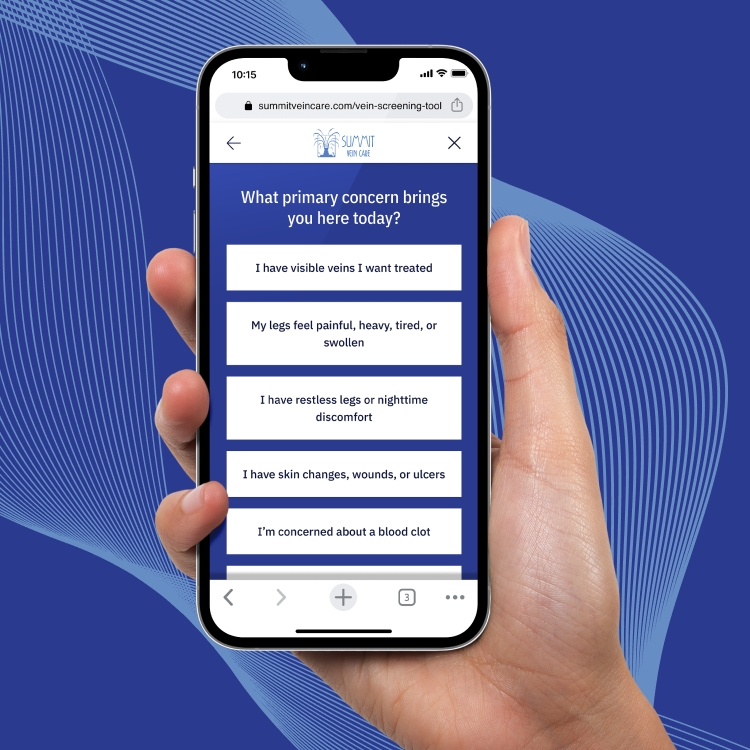
Not sure if your symptoms are vein-related? Start with our screening tool. When you’re ready to come in, schedule your free quick scan.