Varicose veins are often seen as a cosmetic issue, but they can signal a deeper problem with your vein health. While some people only notice bulging or discolored veins, others experience symptoms that gradually worsen over time.
Left untreated, varicose veins can lead to more serious complications that affect your comfort, mobility, and overall quality of life. What starts as mild discomfort can progress into swelling, skin changes, or even more advanced conditions like venous ulcers or blood clots.
In this guide, we’ll walk you through the most common complications of varicose veins, what symptoms to watch for, and when it may be time to seek professional vein treatment.
What Happens If Varicose Veins Are Left Untreated?
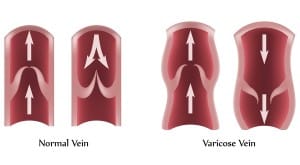
When varicose veins are left untreated, the underlying issue, poor blood flow through the veins, can continue to worsen over time. Instead of circulating properly, blood begins to pool in the veins, increasing pressure and leading to progressive damage.
At first, symptoms may feel mild or manageable. But as vein disease advances, many patients begin to notice more persistent discomfort and visible changes in their legs.
Common complications of untreated varicose veins include:
- Ongoing leg pain, heaviness, or fatigue
- Swelling in the lower legs and ankles
- Skin discoloration or thickening
- Slow-healing wounds or venous ulcers
- Bleeding from damaged veins
- Blood clots, including deep vein thrombosis (DVT)
Understanding these risks is the first step toward protecting your vein health and preventing more serious complications.
Common Complications of Varicose Veins
Varicose veins can progress over time, especially when left untreated. As pressure builds within the veins, it can lead to a range of complications that go beyond appearance and begin to impact your daily comfort and health.
Below are some of the most common varicose vein complications to be aware of:
1. Chronic Pain and Leg Discomfort
One of the earliest and most common complications of varicose veins is ongoing leg pain. As blood pools in the veins, it creates pressure that can lead to aching, heaviness, or fatigue, especially after long periods of standing or sitting.
Common symptoms include:
- Aching or throbbing in the legs
- A feeling of heaviness or fatigue
- Discomfort that worsens throughout the day
- Relief when elevating the legs
2. Swelling and Inflammation (Phlebitis)
As varicose veins worsen, they can trigger inflammation in the affected veins, a condition known as phlebitis. This occurs when blood flow becomes sluggish, increasing pressure and irritation within the vein walls.
Swelling may start subtly but can become more noticeable and uncomfortable over time, particularly in the lower legs and ankles.
Common symptoms include:
- Swelling in the legs or ankles
- Tenderness or warmth around the vein
- Redness or visible inflammation
- Pain that feels localized to one area
3. Skin Changes and Discoloration
Over time, untreated varicose veins can begin to affect the skin surrounding the affected area. Increased pressure and poor circulation can cause visible changes, especially around the lower legs and ankles.
The skin may become darker, thicker, or irritated as vein disease progresses, signaling more advanced venous insufficiency.
Common symptoms include:
- Brown or purplish skin discoloration
- Dry, itchy, or irritated skin
- Thickened or hardened skin texture
- Areas that appear inflamed or sensitive
4. Venous Ulcers (Slow-Healing Wounds)
In advanced cases, varicose veins can lead to venous ulcers, which are open sores that develop due to prolonged poor circulation. These wounds most commonly appear near the ankles and can be difficult to heal without proper treatment.
Venous ulcers are a clear sign of chronic venous insufficiency and should not be ignored, as they can worsen over time and increase the risk of infection.
Common symptoms include:
- Open sores near the ankles or lower legs
- Wounds that heal slowly or keep returning
- Pain or discomfort around the ulcer
- Skin that appears thin, fragile, or inflamed
5. Bleeding Varicose Veins
As varicose veins become more enlarged and closer to the surface of the skin, they can become more fragile and prone to injury. Even minor bumps or scratches can cause a vein to rupture and bleed.
While bleeding varicose veins are not extremely common, they can be alarming and may require prompt medical attention, especially if bleeding is difficult to control.
Common symptoms include:
- Sudden bleeding from a visible vein
- Skin that appears thin over the vein
- Increased sensitivity in the affected area
- Difficulty stopping the bleeding once it starts
6. Blood Clots and Deep Vein Thrombosis (DVT)
In some cases, varicose veins can increase the risk of blood clots forming within the veins. While many clots occur in superficial veins, there is also a risk of deeper clots, known as deep vein thrombosis (DVT), which can be more serious.
DVT can become life-threatening if a clot travels to the lungs, so it’s important to recognize the warning signs and seek medical attention when needed.
Common symptoms include:
- Sudden swelling in one leg
- Pain or tenderness that may feel like cramping
- Warmth in the affected area
- Red or discolored skin
- A feeling of tightness in the leg
Related Symptoms to Watch For
Not everyone experiences severe complications right away. In many cases, varicose veins begin with mild symptoms that gradually worsen over time. Recognizing these early warning signs can help you take action before more serious vein problems develop.
Common symptoms associated with varicose veins include:
- Aching or heavy legs, especially after long periods of standing
- Burning, throbbing, or cramping sensations
- Swelling in the lower legs or ankles
- Itchy, dry, or irritated skin near visible veins
- Restless legs, particularly at night
- Visible bulging or twisted veins
If you’re noticing any of these symptoms consistently, it may be a sign that your vein health is changing and should be evaluated by a specialist.
Quick Comparison – Mild vs Severe Vein Disease
Varicose vein symptoms can range from mild and mostly cosmetic to more advanced conditions that require medical attention. Understanding where your symptoms fall can help you decide when to seek treatment.
| Stage | Symptoms | Risk Level | Action |
| Early | Visible veins | Low | Monitor |
| Moderate | Pain, swelling | Medium | Evaluate |
| Advanced | Skin damage, ulcers | High | Treat |
| Severe | Clots, bleeding | Urgent | Immediate care |
Even if your symptoms seem mild, vein disease can progress over time. Early evaluation can help prevent more serious complications from developing.
Who Is Most at Risk for Varicose Vein Complications?
While anyone can develop varicose veins, certain factors can increase your risk of experiencing more advanced symptoms or complications over time. Understanding these risk factors can help you take a more proactive approach to your vein health.
You may be at higher risk if you:
- Have a family history of varicose veins or vein disease
- Are over the age of 40
- Are pregnant or have had multiple pregnancies
- Spend long periods standing or sitting for work
- Are overweight or have obesity
- Have poor circulation or a history of vein issues
If you fall into one or more of these categories, it’s especially important to monitor symptoms and seek evaluation if changes occur.
When Should You See a Vein Specialist?
It can be difficult to know when varicose veins require medical attention. While mild symptoms may seem manageable at first, certain signs indicate that vein disease may be progressing and should be evaluated by a specialist.
You should consider seeing a vein specialist if you experience:
- Persistent leg pain or heaviness that worsens over time
- Swelling in the legs or ankles that does not improve
- Skin changes such as discoloration, thickening, or irritation
- Open sores or wounds that heal slowly
- Bleeding from a varicose vein
- Sudden pain, warmth, or swelling in one leg (possible blood clot)
Early evaluation can help identify the underlying cause of your symptoms and prevent more serious complications from developing. In many cases, treatment is simpler and more effective when addressed early.
Get Expert Vein Care Before Complications Progress
Varicose veins don’t have to progress to more serious complications. With the right care, many patients find relief from symptoms and prevent their condition from worsening.
At Summit Vein Care, our team focuses on diagnosing and treating vein disease early, using minimally invasive techniques designed to improve circulation and restore comfort. Whether you’re experiencing mild symptoms or more advanced concerns, personalized treatment can make a meaningful difference in your daily life.
If you’ve noticed changes in your legs, such as pain, swelling, or skin irritation, it may be time to take the next step. Getting evaluated by a vein specialist can help you understand your condition and explore treatment options that fit your needs.
How Treatment Can Prevent Varicose Vein Complications
Treating varicose veins early can help prevent many of the complications associated with progressive vein disease. By improving blood flow and reducing pressure in the affected veins, treatment can relieve symptoms and stop the condition from worsening.
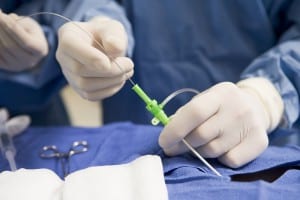
Modern vein treatments are minimally invasive and designed to target problem veins with little disruption to your daily routine. These procedures focus on closing or redirecting damaged veins so blood can flow more efficiently through healthier vessels.
Common treatment options include:
- Sclerotherapy, which uses a specialized solution to close smaller varicose or spider veins
- Laser or radiofrequency treatments, which use heat to seal off damaged veins
- Minimally invasive procedures that improve circulation and reduce visible vein symptoms
Many patients experience reduced pain, improved appearance, and a lower risk of future complications after treatment.
Recovery from most modern varicose vein treatments is typically quick, with many patients returning to normal activities within a day or two. While recovery timelines can vary depending on the procedure, most treatments involve minimal downtime.
Don’t Ignore Varicose Veins
Varicose veins may start as a cosmetic concern, but they can develop into more serious health issues if left untreated. Symptoms like pain, swelling, and skin changes are often signs that your vein health needs attention.
The good news is that early treatment can help prevent complications and improve your overall comfort and mobility. Paying attention to your symptoms and seeking care at the right time can make a significant difference in long-term outcomes.
If you’re experiencing signs of varicose vein complications, taking action now can help you avoid more advanced issues and maintain a better quality of life.
Why Choose Summit Vein Care for Varicose Vein Treatment
Choosing the right provider for varicose vein treatment can make a significant difference in your results and overall experience. At Summit Vein Care, we focus on delivering personalized, patient-centered care designed to address both the symptoms and underlying causes of vein disease.
Our team specializes in minimally invasive treatments that are safe, effective, and performed in a comfortable outpatient setting. We take the time to understand your symptoms, evaluate your vein health, and create a treatment plan tailored to your needs.
Patients choose Summit Vein Care because we offer:
- Advanced, minimally invasive treatment options
- Experienced vein specialists focused on long-term results
- Personalized care plans based on your unique condition
- A comfortable, patient-focused environment
- Support throughout every step of your treatment journey
If you’re experiencing symptoms of varicose veins or concerned about potential complications, our team is here to help you find relief and protect your long-term vein health.