

A familiar leg concern deserves attention when it changes in a way you cannot explain. That shift may be your sign to get medical guidance.
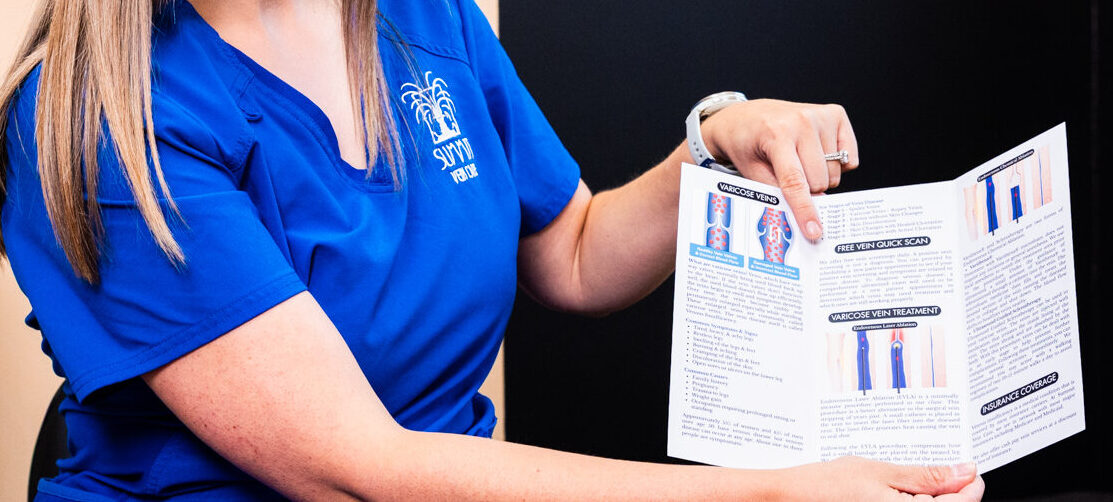
What Causes Blood Clots in Legs
A blood clot can form when blood slows inside a leg vein and begins to thicken. This may happen after the leg has stayed still for too long or when the vein has been affected by injury. Once a clot forms, symptoms may show up quickly.
Symptoms to Take Seriously
Blood clots can cause leg symptoms that overlap with vein disease. The pattern, severity, and timing matter.
Watch for These Signs:
-
One-Sided Swelling
-
Calf Pain
-
Warmth
-
Redness
-
Skin Color Changes
-
Tenderness
-
Tightness
-
Sudden Swelling
-
Chest Pain
-
Shortness of Breath

How We Find Answers
Follow-up Using Ultrasound Imaging
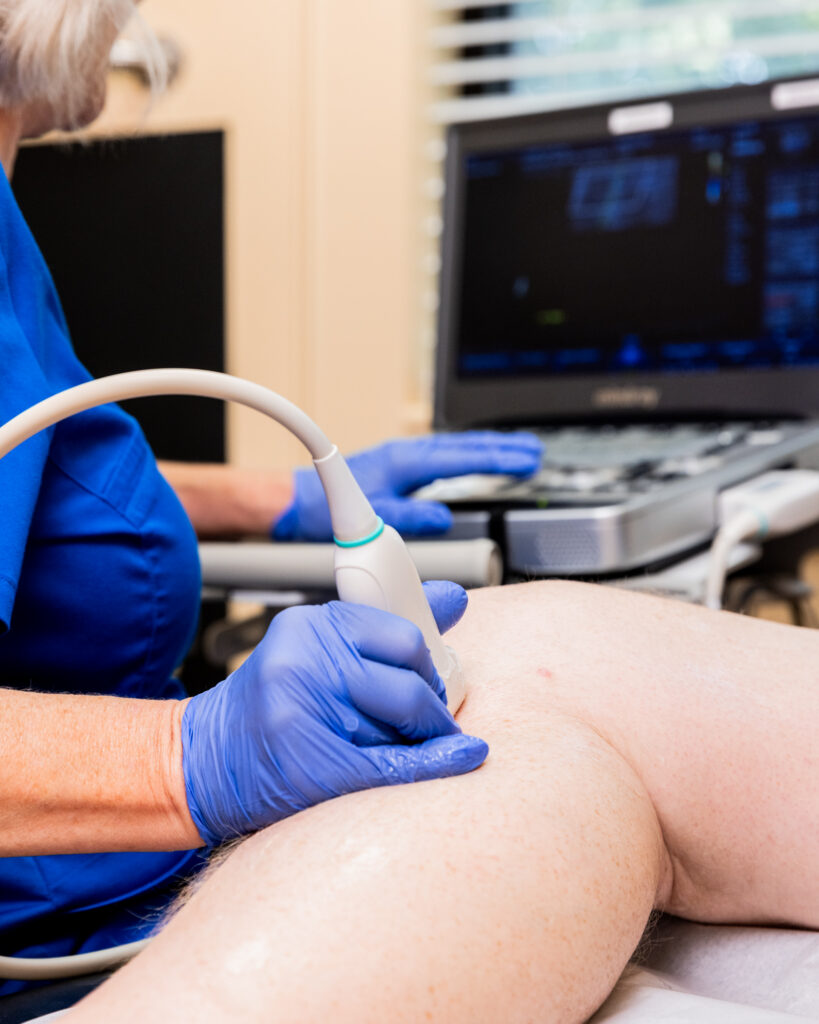
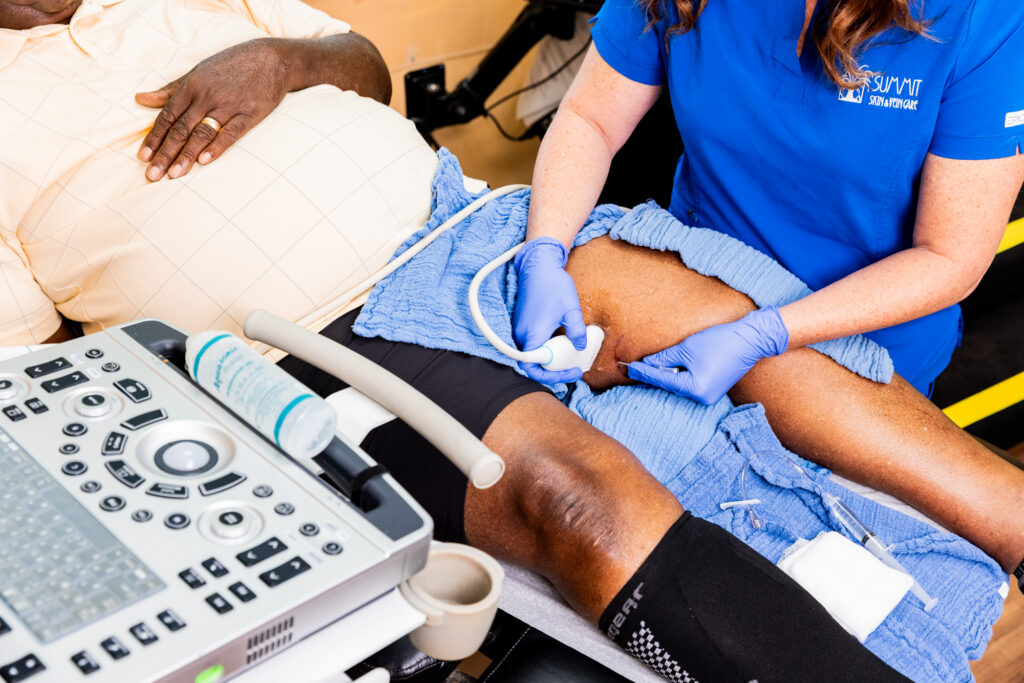
When we need a more in-depth view, ultrasound imaging helps our team see how blood moves through the leg veins.
Appointment With Your Provider
Your provider connects what you feel with what the imaging shows, then explains whether vein disease may be involved.
Planning the Next Steps
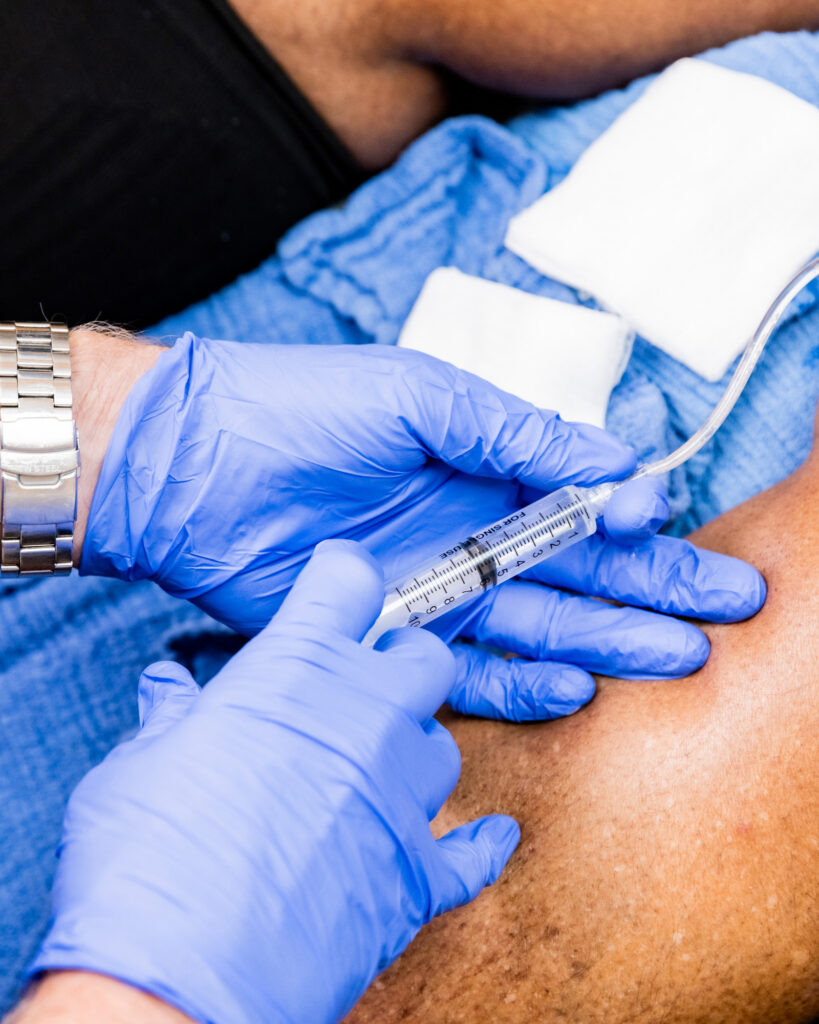
If vein care fits, we explain what you can expect and which treatment path makes the most sense for you before anything begins.
Treatment Options Include
You May Need to Seek Treatment If
When a leg concern keeps returning after you rest, it may point to something deeper than daily strain. Evaluation helps clarify what your body is trying to show you.
A referral does not always mean you have a confirmed clot. It means your symptoms deserve a closer look from a team that specializes in vein-related concerns.
If you keep wondering whether your symptoms are vein-related, that uncertainty is enough reason to ask. Clear answers can help you choose the right next step.

After the First Answer
Once urgent concerns have been handled, your leg may still need attention. Summit Vein Care can look for vein disease that may be contributing to ongoing discomfort.
Start With a Free Quick Scan
Our ultrasound team performs a 15-minute screening to check for reflux in your veins. If your screening is positive, we’ll recommend a new patient appointment for a full ultrasound and provider evaluation.

About Us
A Clinic That Answers to You
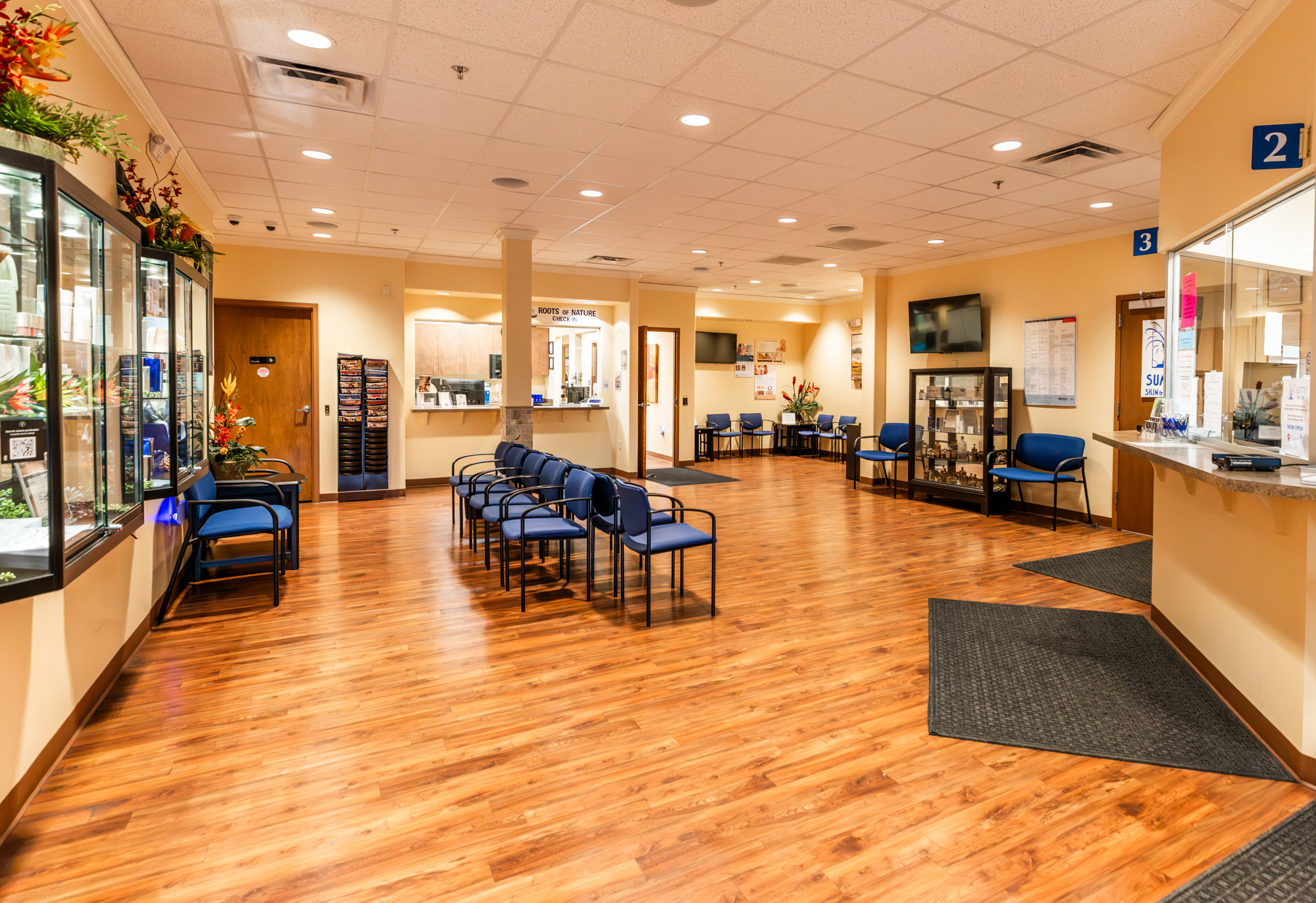
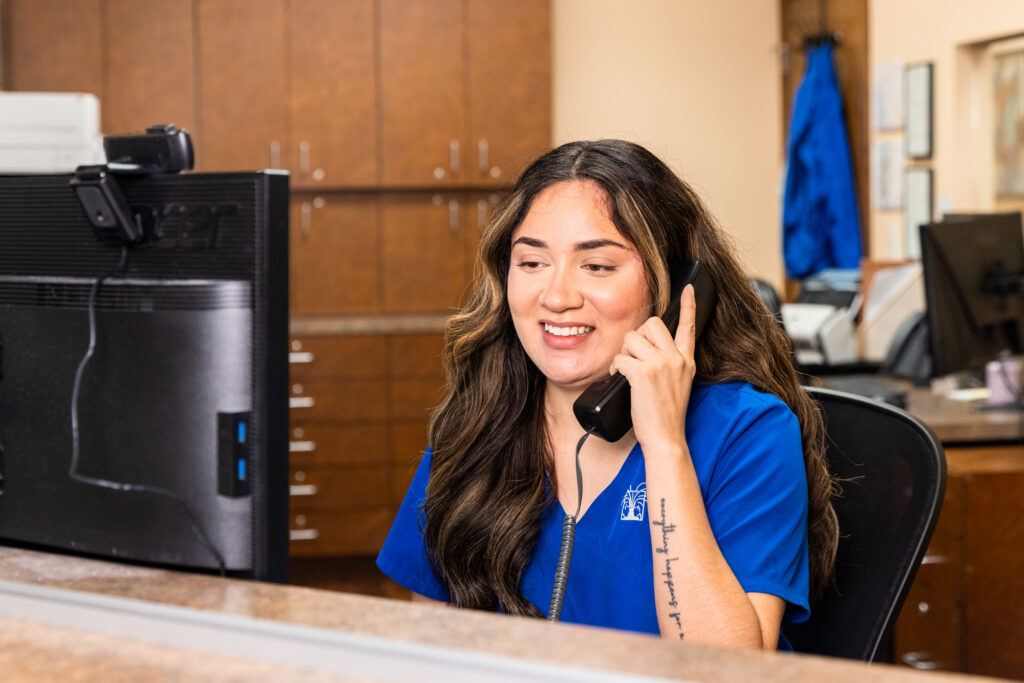
As a privately owned, specialist-only practice, we’ve been treating vein disease in Kansas City since 2005. Every patient knows their out-of-pocket cost before their appointment day. And when a procedure isn’t necessary, we’ll tell you that, too.
Frequently Asked Questions
If you’re experiencing:
- Chest pain
- Sudden shortness of breath
- A rapid heart rate
- Significant swelling throughout your entire leg
These are all signs that may need emergency care right away. If you’re experiencing any of those, call 911 or go to the nearest ER—do not wait. If you suspect a blood clot in your leg, Kansas City patients can reach Summit Vein Care once the acute concern has been handled. We can then evaluate whether underlying vein disease may be involved.
Summit Vein Care specializes in venous insufficiency and related vein conditions—not the emergency management of blood clots. If you’re looking for an evaluation of a blood clot in your leg, Kansas City patients can rely on our team to assess the superficial vein system and determine whether underlying vein disease may be involved. If imaging raises a concern that needs immediate attention, we work with your care team to make sure you get the right support.
Many insurance plans, including Medicare, cover evaluations for blood clot symptoms when they are medically indicated. Before your appointment, our team verifies your benefits so you know exactly what to expect financially. No surprises on your appointment day.
If you’re a Kansas City patient managing a blood clot in your leg and have questions about your specific plan, call us before you come in. We’re glad to help.
The free quick scan is a 15-minute ultrasound that looks at the superficial vein system. There’s no provider visit and no insurance billed. When a more complete evaluation is needed, your provider will move to a comprehensive ultrasound. If you’re seeking an evaluation, our team helps determine which starting point fits your situation from the very first call.
Vein disease and blood clots are related but distinct conditions. Venous insufficiency—when blood pools and circulates poorly through the leg—can slow circulation in ways that may raise clotting risk. That’s part of why we evaluate both together. For Kansas City patients concerned about a blood clot in their leg, understanding this connection often affects how we approach the evaluation and any follow-up care.
Treating venous insufficiency may improve blood flow in the affected leg, which can be a contributing factor in clotting risk. While no treatment eliminates all risk, addressing underlying vein disease is often an important part of long-term vein health. If you’re a patient with ongoing vein concerns, your provider will walk you through what treatment may mean for your specific situation.
Bring your referral paperwork and a list of current medications, especially any blood thinners or anticoagulants and any prior imaging reports. Wear or bring loose shorts or pants that allow access to your knee and calf area; our team will need to reach those points during your evaluation. If your doctor referred you for a blood clot in the leg evaluation in Kansas City, Summit Vein Care helps keep the next step clear from the moment you arrive.
The Easiest First Step Is Free
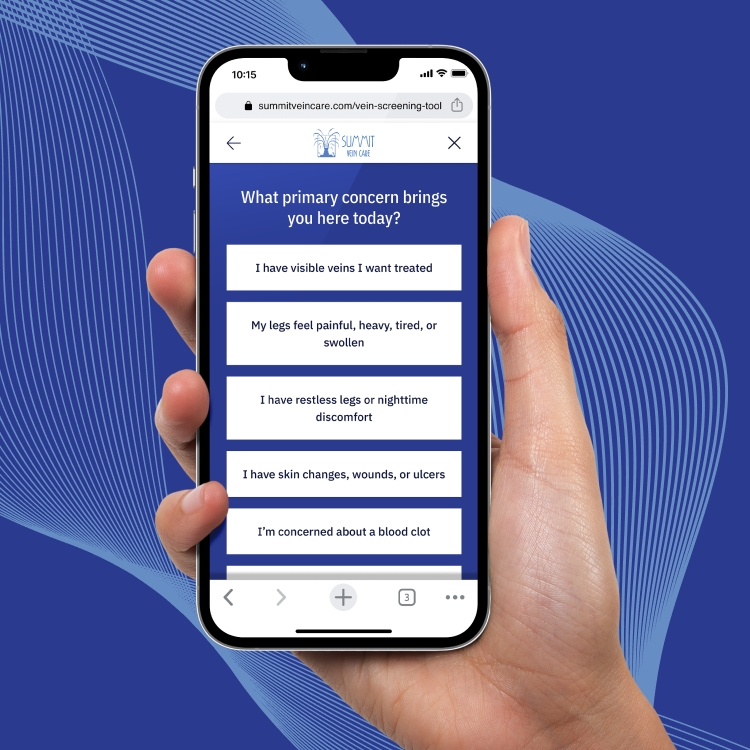
Not sure if your symptoms are vein-related? Start with our screening tool. When you’re ready to come in, schedule your free quick scan.